
Well Pump Keeps Turning On and Off? Why It Short-Cycles
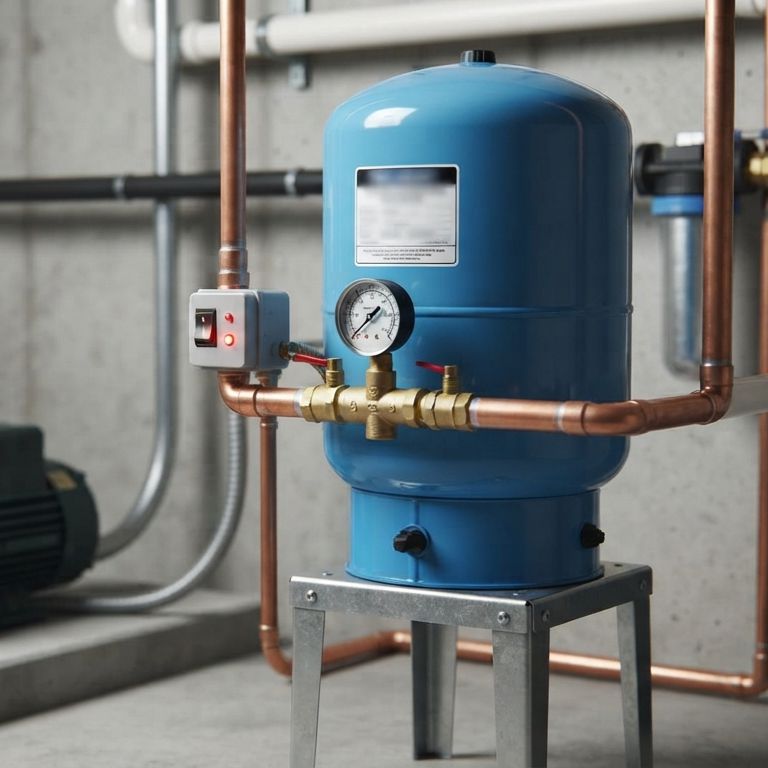
Quick Answer: A well pump that rapidly turns on and off — called short-cycling — most often means the pressure tank has lost its air charge or its bladder has failed, becoming "waterlogged." Without that air cushion, the tank can't hold enough pressurized water, so the pump kicks on and off in quick bursts. Other causes include a waterlogged tank's failed bladder, a pressure switch problem, a leak in the system, or a clogged pump screen. Short-cycling is hard on the pump because it strains the motor with frequent starts and can burn it out, so it shouldn't be ignored. The most common fix is recharging or replacing the pressure tank.
If your well pump is rapidly clicking on and off — cycling every few seconds or constantly starting and stopping — it's short-cycling, and it's a problem that can quickly damage your pump. The most common cause is well understood and fixable, but because short-cycling wears out the pump fast, it's worth addressing right away. Understanding why it happens shows why it matters.
What Short-Cycling Is
In a normal well system, the pump runs to fill the pressure tank and build pressure, then shuts off and stays off while you draw water from the tank, only running again when the pressure drops to the cut-in point. That gives you reasonably spaced pump cycles. Short-cycling breaks this pattern: the pump turns on and off rapidly, in quick bursts, cycling far more frequently than it should. Instead of running, resting, and letting the tank do its job, the pump keeps starting and stopping. This rapid cycling is both a symptom of a problem and a cause of damage, since each start strains the pump motor.
The Most Common Cause: A Waterlogged Pressure Tank
By far the most common reason for short-cycling is a problem with the pressure tank — specifically, it becoming "waterlogged." The pressure tank uses a cushion of air (held by an internal bladder in most modern tanks) to store water under pressure. That air cushion is what lets the tank deliver water while the pump rests. When the tank loses its air charge or the bladder fails, the tank fills with water and loses its ability to store pressurized water. Without that cushion, the pressure rises and falls almost instantly as water is used, so the pump kicks on and off rapidly, trying to keep up. A waterlogged pressure tank is the classic cause of short-cycling, and recharging the tank's air or replacing a failed tank is the usual fix.
| Cause | Why the pump short-cycles |
|---|---|
| Waterlogged pressure tank | Lost air cushion; can't store pressurized water |
| Failed tank bladder | Tank can't hold the air charge |
| Pressure switch problem | Pump signaled on/off incorrectly |
| Leak in the system | Pressure drops quickly, pump restarts |
| Clogged pump screen/intake | Pump can't maintain steady flow |
Other Causes
While the pressure tank is the usual suspect, a few other issues can cause short-cycling. A pressure switch problem — a misadjustment or fault — can signal the pump to turn on and off incorrectly. A leak in the system causes pressure to drop quickly, even when no one is using water, so the pump restarts frequently to rebuild it. And a clogged pump screen or intake can keep the pump from maintaining steady flow, contributing to erratic cycling. These are less common than a waterlogged tank, but worth considering if the tank checks out. The common thread is that something is preventing the system from maintaining steady pressure, so the pump can't rest.
Why Short-Cycling Damages the Pump
The reason short-cycling shouldn't be ignored is the harm it does to the pump. A well pump motor draws the most strain when it starts, and short-cycling makes it start over and over in rapid succession — far more than it's designed to. This frequent starting overheats the motor and can burn out the pump prematurely. Replacing a well pump, especially a submersible one down in the well, is a significant job, so protecting it matters. Short-cycling essentially runs the pump to death by constantly restarting it. That's why catching and fixing the cause — usually the pressure tank — promptly is important: it stops the damage before the pump fails.
Don't ignore a well pump that's rapidly cycling on and off. The constant starting strains and can burn out the pump motor, turning a fixable tank problem into a costly pump replacement. If your pump is short-cycling, have the cause addressed promptly to protect the pump, and avoid working on the electrical pump system yourself.
What to Do
If your well pump is short-cycling, the priority is to address it before the pump is damaged. The most common cause is the pressure tank, so checking the tank's air charge and condition is the usual starting point — a waterlogged tank may need its air recharged or, if the bladder has failed, the tank replaced. If the tank is fine, the pressure switch, a possible leak, and the pump screen are the next things to check. Because a well system involves electrical components and a pump, and because short-cycling can quickly damage the pump, it's best to have a well professional diagnose and fix the cause. They can identify whether it's the tank, switch, a leak, or another issue, and resolve it to stop the rapid cycling and protect the pump.
Frequently Asked Questions
Most often because the pressure tank has become "waterlogged" — it's lost the air cushion that lets it store water under pressure, so the pressure rises and falls almost instantly as water is used, and the pump kicks on and off trying to keep up. Other causes include a pressure switch problem, a system leak, or a clogged pump screen. A waterlogged tank is the classic cause.
It means the tank has lost its air charge or its internal bladder has failed, so it's filled with water and can't store pressurized water properly. The air cushion is what lets the tank deliver water while the pump rests. Without it, pressure swings quickly, and the pump short-cycles. Recharging the air or replacing a failed tank is the usual fix for a waterlogged tank.
Yes, very. A pump motor strains most when starting, and short-cycling makes it start rapidly over and over, far more than it's designed to. This overheats and wears out the motor and can burn out the pump prematurely. Since replacing a well pump is a significant job, short-cycling shouldn't be ignored — it essentially runs the pump to death through constant restarting, so the cause should be fixed promptly.
It can. A leak in the system causes pressure to drop quickly, even when no one is using water, so the pump restarts frequently to rebuild the lost pressure. This is less common than a waterlogged tank but worth considering, especially if the tank checks out. Signs of a leak alongside short-cycling point toward this cause, and repairing the leak stops the unnecessary cycling.
The most common fix is addressing the pressure tank — recharging its air charge if it's lost the cushion, or replacing the tank if the bladder has failed. If the tank is fine, the pressure switch, a leak, or a clogged pump screen may be the cause and need attention. Because the system involves electrical components and the fix depends on the cause, a well professional should diagnose and repair it.
It's worth addressing promptly, because the constant rapid starting can burn out the pump motor, turning a fixable tank problem into a costly pump replacement. The longer a pump short-cycles, the more wear it accumulates. So while it's often a simple fix like the pressure tank, it shouldn't be left running, since the damage to the pump adds up quickly with continued short-cycling.
Stop the Cycling Before It Kills the Pump
A well pump that keeps rapidly turning on and off is short-cycling, and the most common cause is a waterlogged pressure tank that has lost the air cushion it needs to store pressurized water. It matters because the constant starting strains can burn out the pump. Check the pressure tank first, and have the cause diagnosed and fixed promptly — addressing it early protects the pump from a premature, costly failure.
Well pump cycling on and off rapidly — Get the pressure tank and system checked before the short-cycling burns out the pump. Fussell Well Drilling serves Polk County and Central Florida. Call (863) 984-3144.
