
Well Rehabilitation in Polk County and Surrounding Cities
We service all of Polk County, Plant City, Dover, Avon Park, and Wauchula. We also service some parts of Lithia, Valrico, Thonotosassa, Dade City, Zephyrhills, Clermont, Groveland, Kissimmee, Poinciana, Sebring, and Bowling Green.
Polk County communities we serve include Auburndale, Winter Haven, Polk City, Lakeland, Lake Alfred, Kathleen, Highland City, Mulberry, Dundee, Haines City, Davenport, Lake Wales, Eagle Lake, Bartow, Frostproof, Babson Park, and Fort Meade.
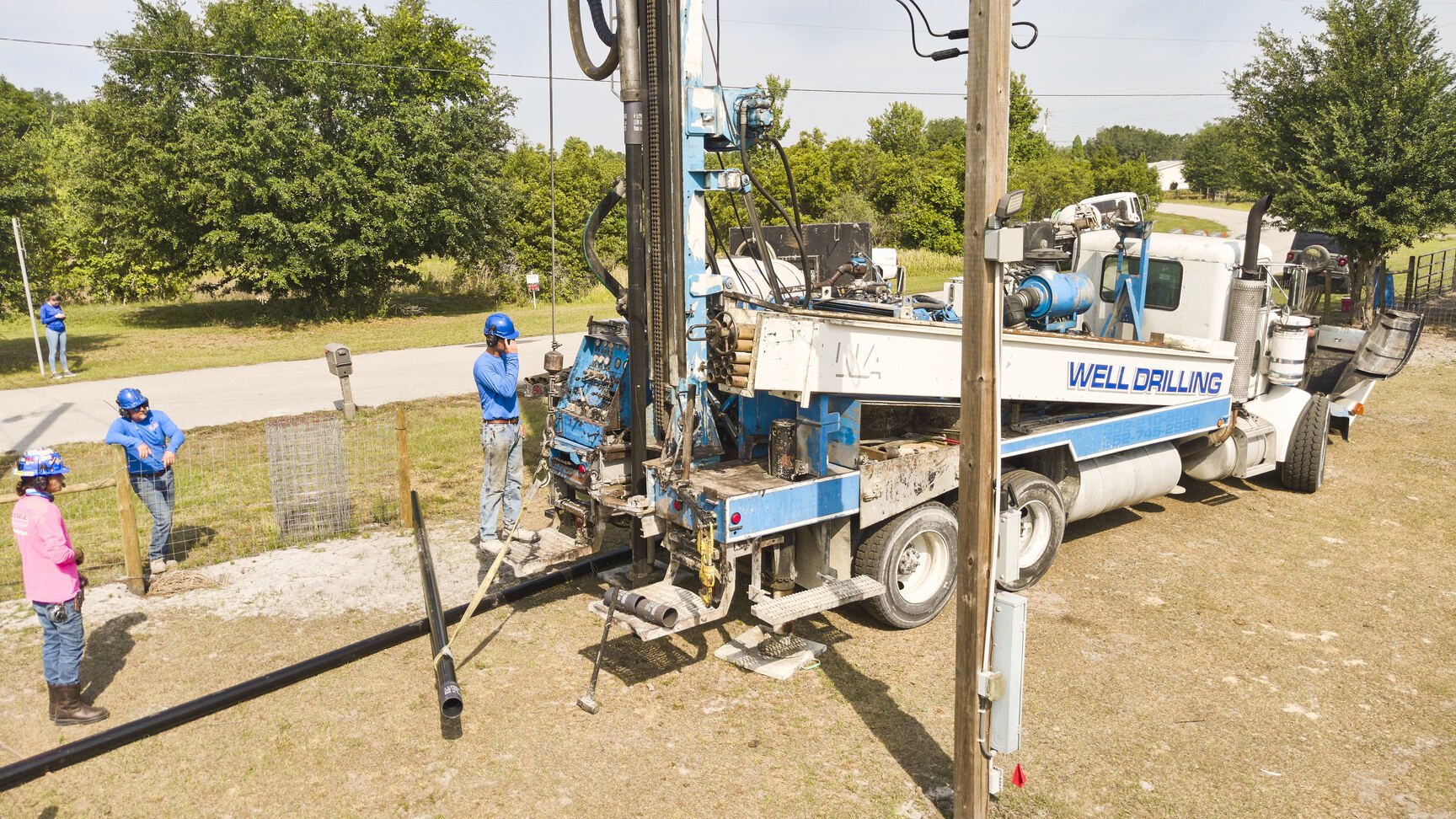
Water well rehabilitation services can restore water flow through a well system that fails to produce adequate water. At Fussell Well Drilling, we can identify the cause of decreased flow and test whether rehabilitation is possible.


Our Reviews
FAQs – Well Rehabilitation in Polk County, FL
Well rehabilitation restores water flow and performance in an existing well. It becomes necessary when mineral buildup, sediment, or biological growth reduces output, affects water clarity, or causes pressure problems.
Common signs include reduced water pressure, cloudy water, air sputtering from faucets, or higher pump cycling. In Polk County, FL, mineral deposits and sand intrusion often contribute to declining well performance.
Most well rehabilitation projects can be completed within a day, depending on the level of buildup and system condition. We evaluate the well thoroughly before beginning to restore reliable flow efficiently.
In many cases, rehabilitation is more affordable than drilling a new well. Restoring an existing well can extend its lifespan and improve performance without the expense of full replacement.
Pressure loss often results from mineral scale buildup, clogged screens, sediment accumulation, or pump wear. Identifying the root cause allows us to restore proper flow and dependable water delivery.
Yes, removing buildup and flushing sediment can improve water clarity and taste. Rehabilitation addresses internal blockages that may contribute to discoloration or unpleasant odors in household water.
Frequency depends on water chemistry and usage levels. Many wells benefit from periodic evaluation every several years to maintain consistent performance and reduce the likelihood of sudden decline.
Proper rehabilitation can extend a well’s service life by clearing obstructions and restoring efficiency. Regular maintenance helps preserve long-term reliability and reduces the risk of premature replacement.
The process may involve cleaning, brushing, chemical treatment, and flushing to remove mineral deposits and biological growth. Each step targets internal buildup to restore water flow effectively.
Permitting requirements vary based on the scope of work in Polk County, FL. Our team reviews local guidelines and handles the necessary documentation to ensure rehabilitation compliance with regulations.