

Our Blog
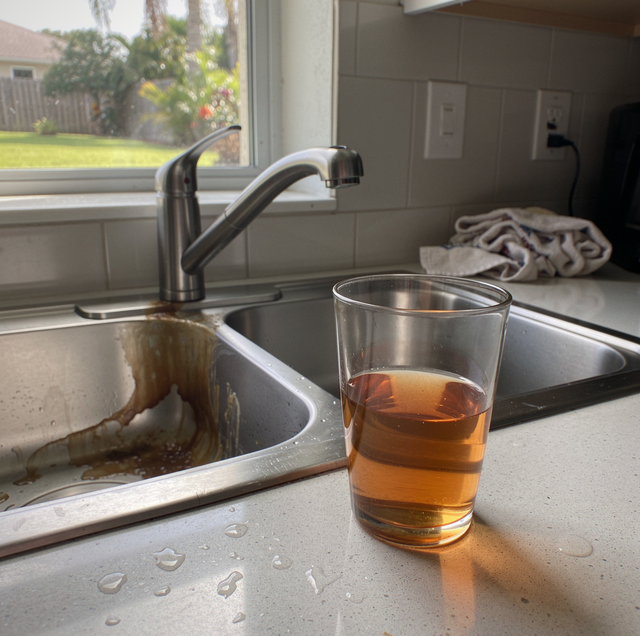
Well Water Smells or Tastes Odd: What It Actually Means
Well water can carry a rotten-egg whiff when the tap first turns on, a metallic edge that lingers on the tongue, or a musty taste that reminds you of a damp basement.
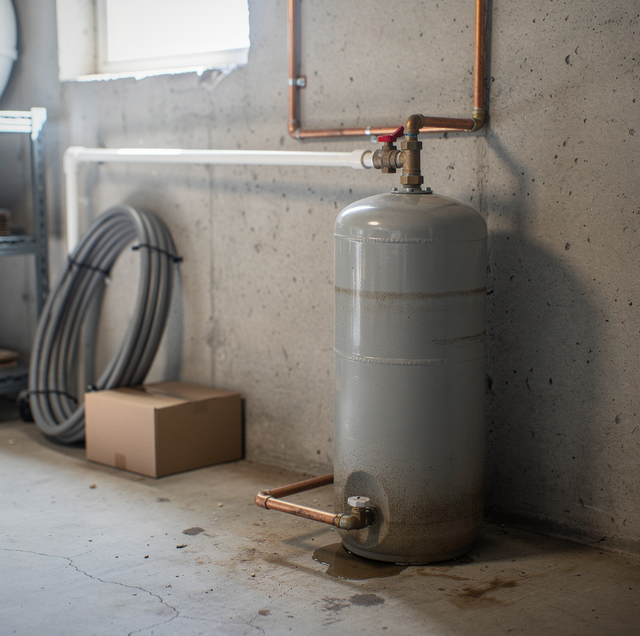
How Long Does a Well Pump Usually Last? What Shortens Or Extends It
A well pump doesn't fail on a calendar schedule. Two identical pumps installed in wells thirty feet apart the same week can behave completely differently ten years later: one still humming along on its original motor, the other already swapped out twice.
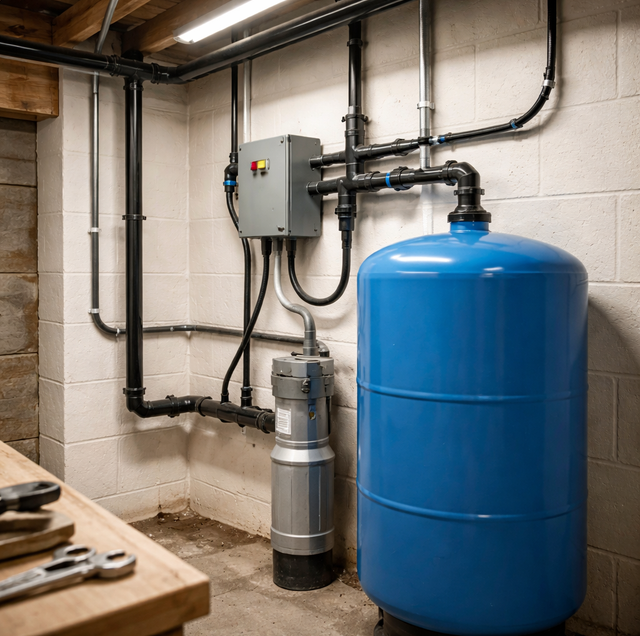
How a Well Water System Works: 8 Key Parts
A private well runs a small waterworks on your own property. There is no city main and no monthly utility bill for the water itself.
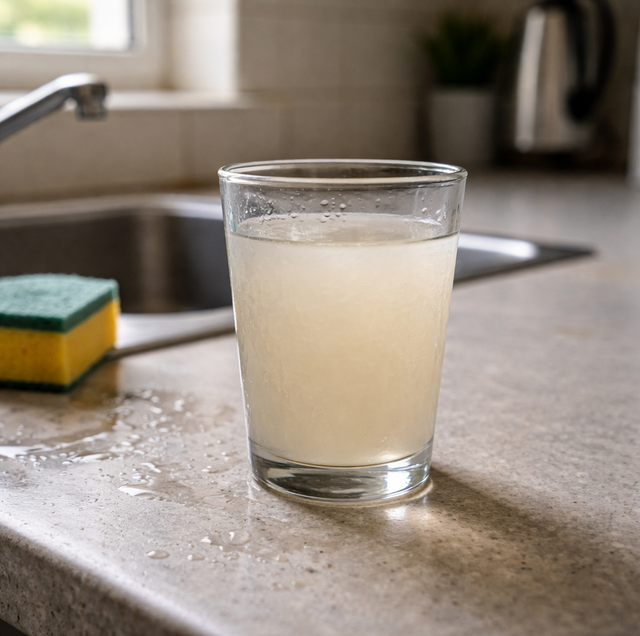
Cloudy Well Water or Sediment? 6 Causes and Fixes
Cloudy, milky, or gritty water from a well faucet is one of the most common calls a pump technician fields, and the cause rarely repeats.
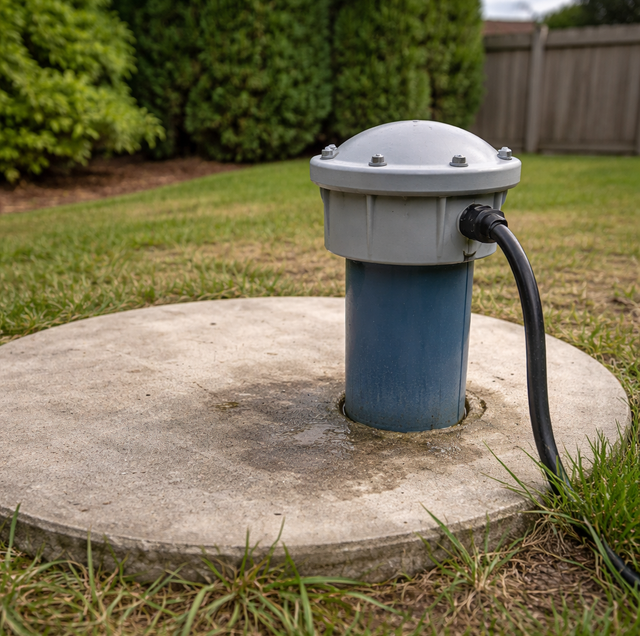
Well Shock Chlorination: When You Actually Need to Shock a Well
Shock chlorination is a one-time high dose of chlorine sent through an entire private well system to kill bacteria, then flushed back out.
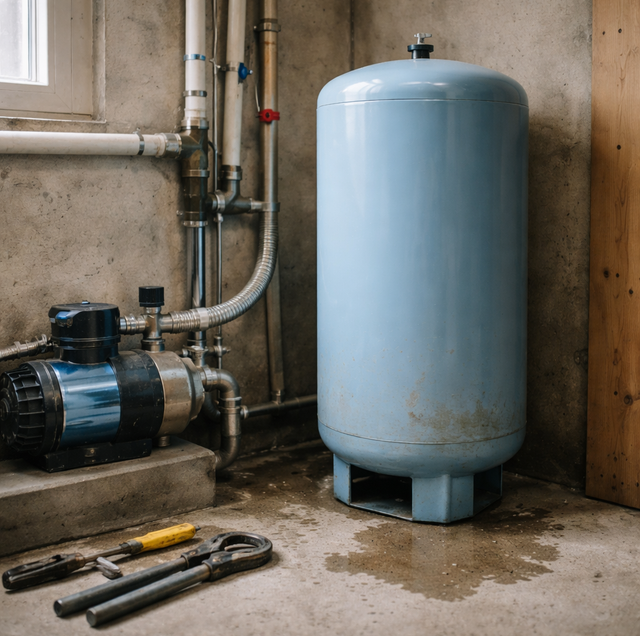
Waterlogged Pressure Tank: 5 Signs Your Pump Is Dying
If the tank in your well room has started clicking on and off every few seconds, or the water at your faucet surges and sputters, the problem usually is not the pump itself.
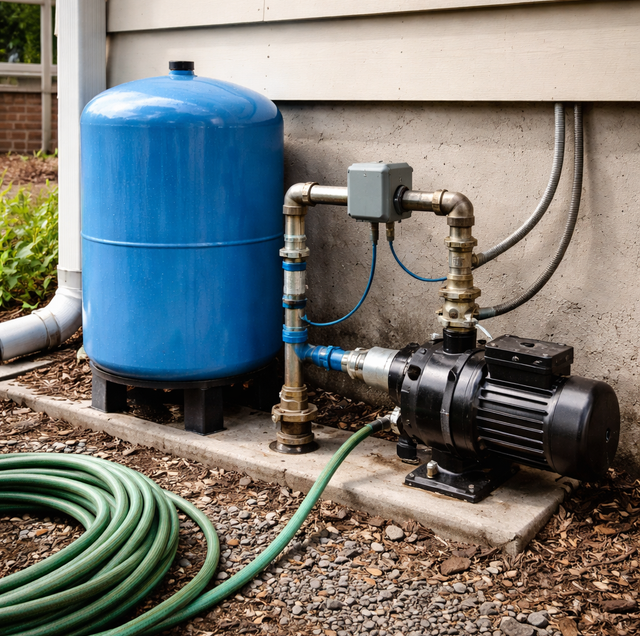
How a Well Pressure Tank Works and Why It Matters
That squat, dome-topped tank sitting next to your well pump does one quiet job that keeps the whole system alive.
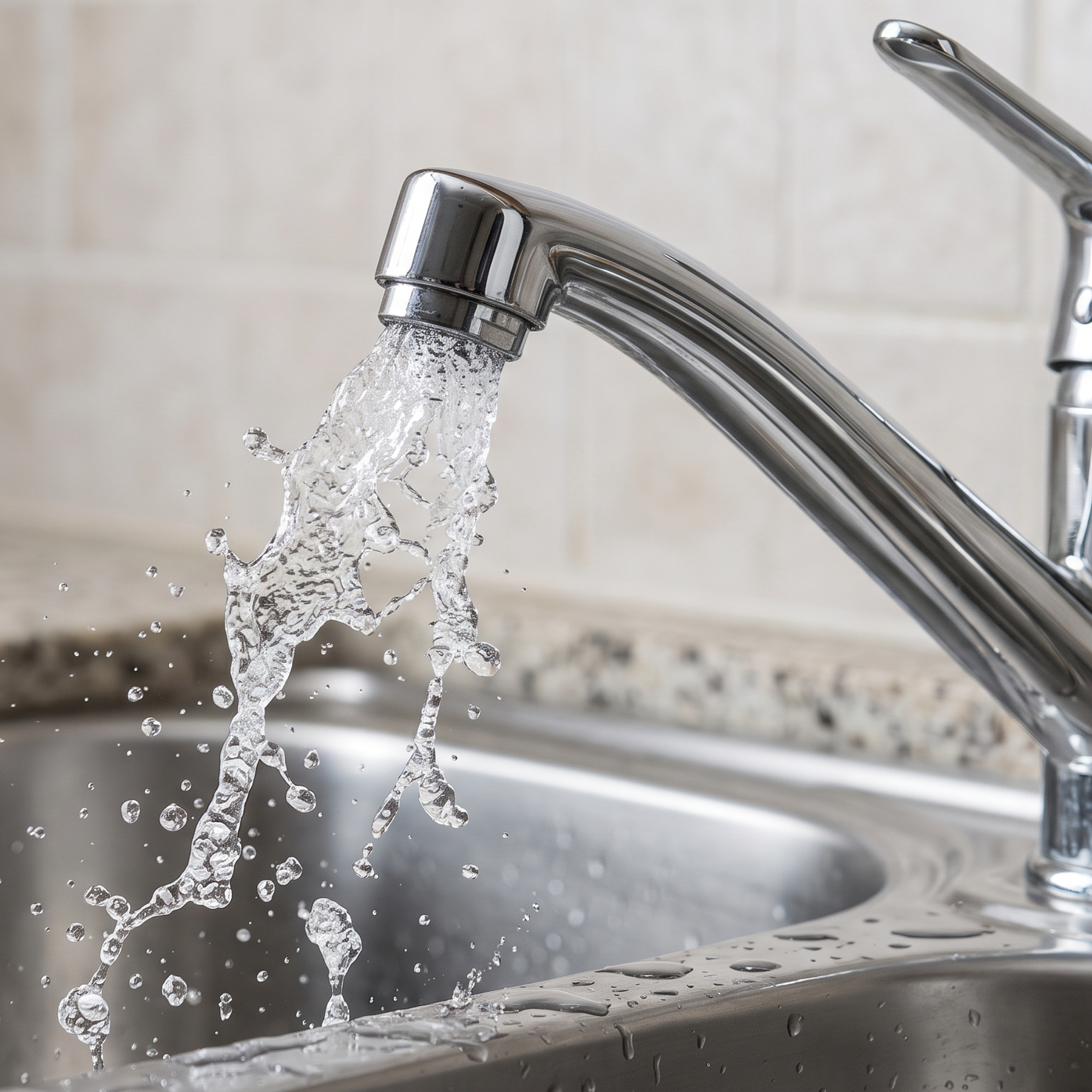
Why Is Water Spitting Air Out of the Faucet?
The faucet coughs, spits, and hisses before the water settles into a steady stream. On a well system, that stutter is not the plumbing playing tricks on you. It means air is getting into a set of pipes that are supposed to carry only water, and where that air comes from tells you a lot about what needs fixing. Some sources are cheap and quick to correct. Others mean the pump is pulling against a well that no longer holds the water it once did. The pattern of the spitting and when it happens narrows the list fast.
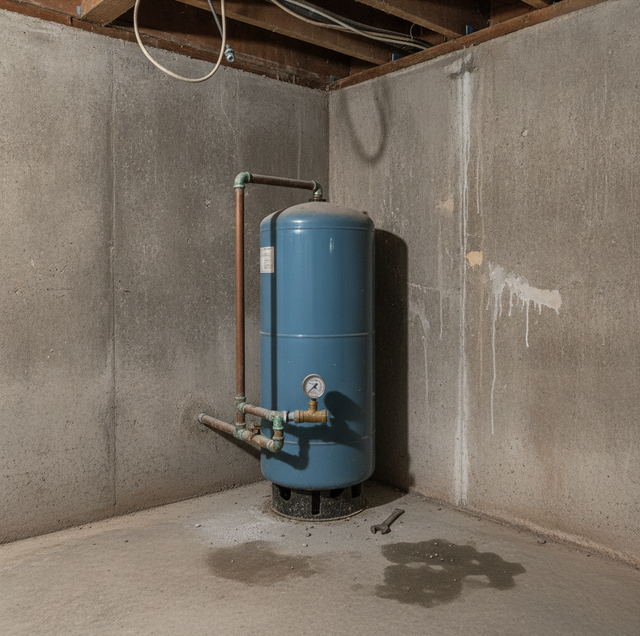
What Happens to Your Well When the Power Goes Out
The lights flicker off, and a few minutes later, you go to wash your hands, and the faucet trails off to a trickle. For a home on city water, an outage is an inconvenience. For a home on a private well, it can also mean the water stops, because on a well, the two are wired together in a way most people never think about until the power is out.
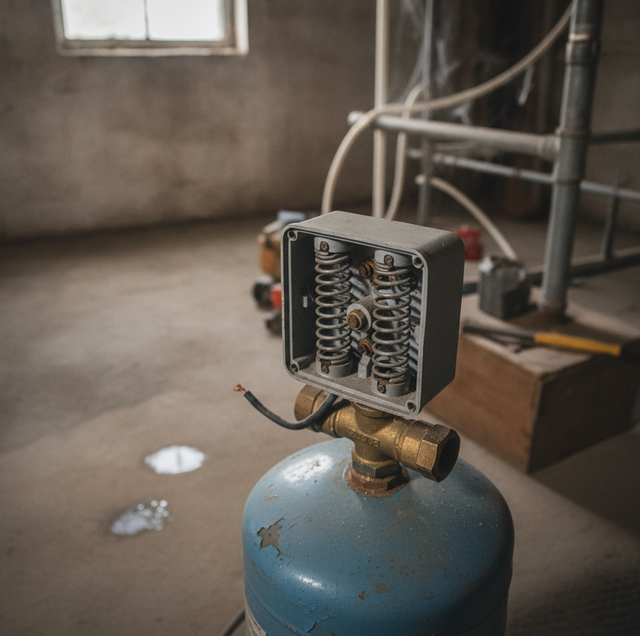
How Do I Know If My Well Pump Is Going Bad? 8 Warning Signs
Your well delivers water on an invisible chain of parts working in sequence, and when one link slips, the whole house feels it. A dying pump, a failing pressure tank, a worn pressure switch, and a well running low on water can all produce similar complaints at the tap. A homeowner who learns to read the pattern can often figure out which part is failing before making a call, and rule out the cheap fixes first.
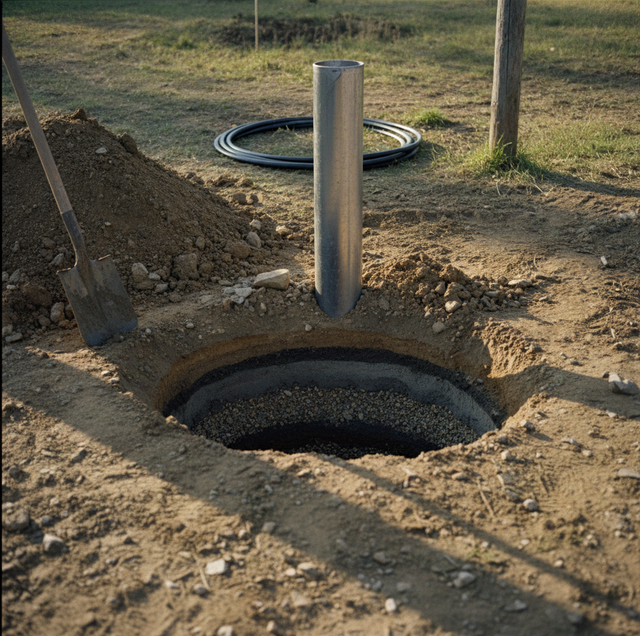
How Deep Should a Water Well Be? What Actually Decides the Number
Homeowners ask for a single number, and the honest answer is that no single number exists. A residential water well is drilled to whatever depth the ground below your property demands, and that depth is set by geology you cannot see from the surface. Two houses on the same street can end up with wells that differ by dozens of feet because the reliable water sits at different depths under each lot. Understanding what drives that depth helps you read a driller's estimate, plan a project, and know why "just drill deeper" is not always the right call.
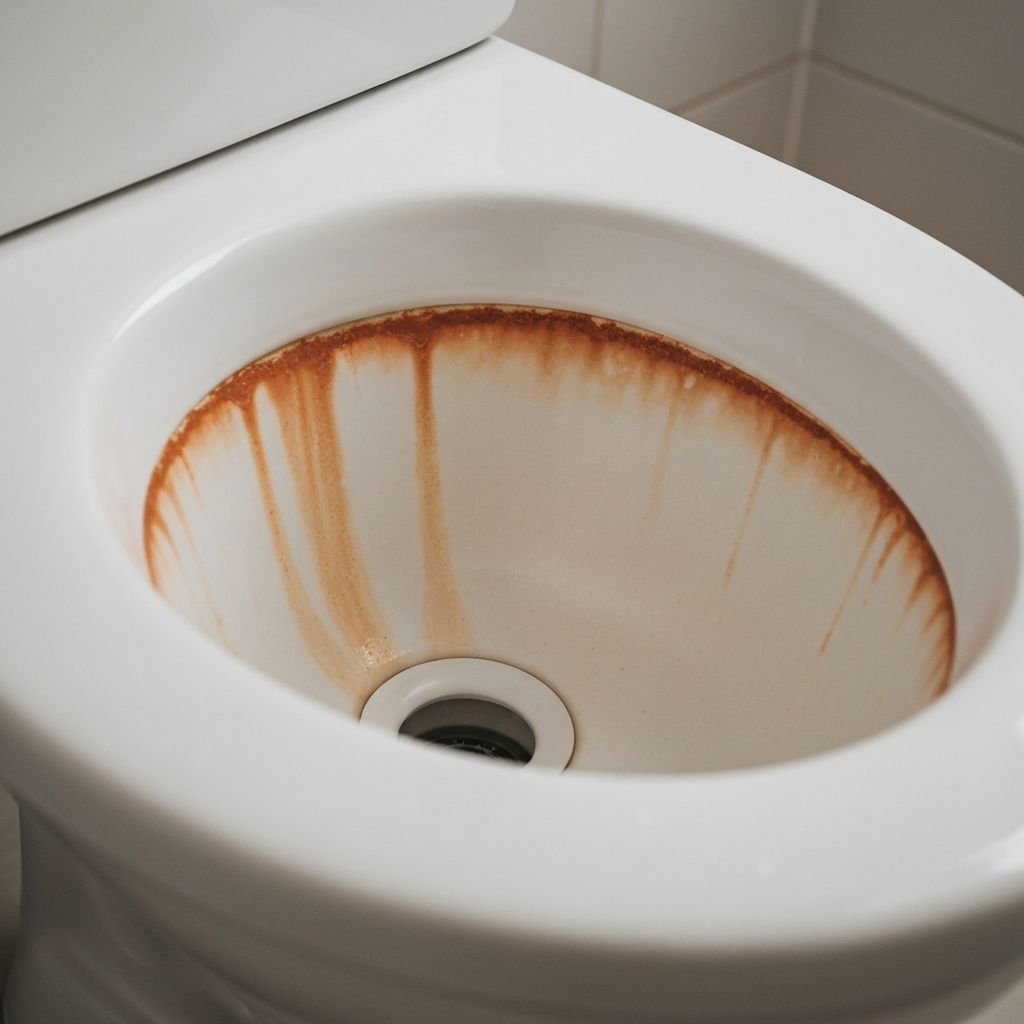
Why Your Well Water Is Staining Sinks and Toilets Orange
If your well water is leaving rusty orange streaks in the toilet bowl, stains in the sink, and a tint on the laundry, the well is telling you it's carrying iron. It's one of the most common well water complaints, and while the stains are a nuisance, they're a water-quality issue you can treat — not a sign your pipes are rusting away. Knowing exactly which form of iron (or related mineral) you have is the key to picking the right fix, and that starts with a test.
Well Water Pressure Suddenly Low? What's Behind It
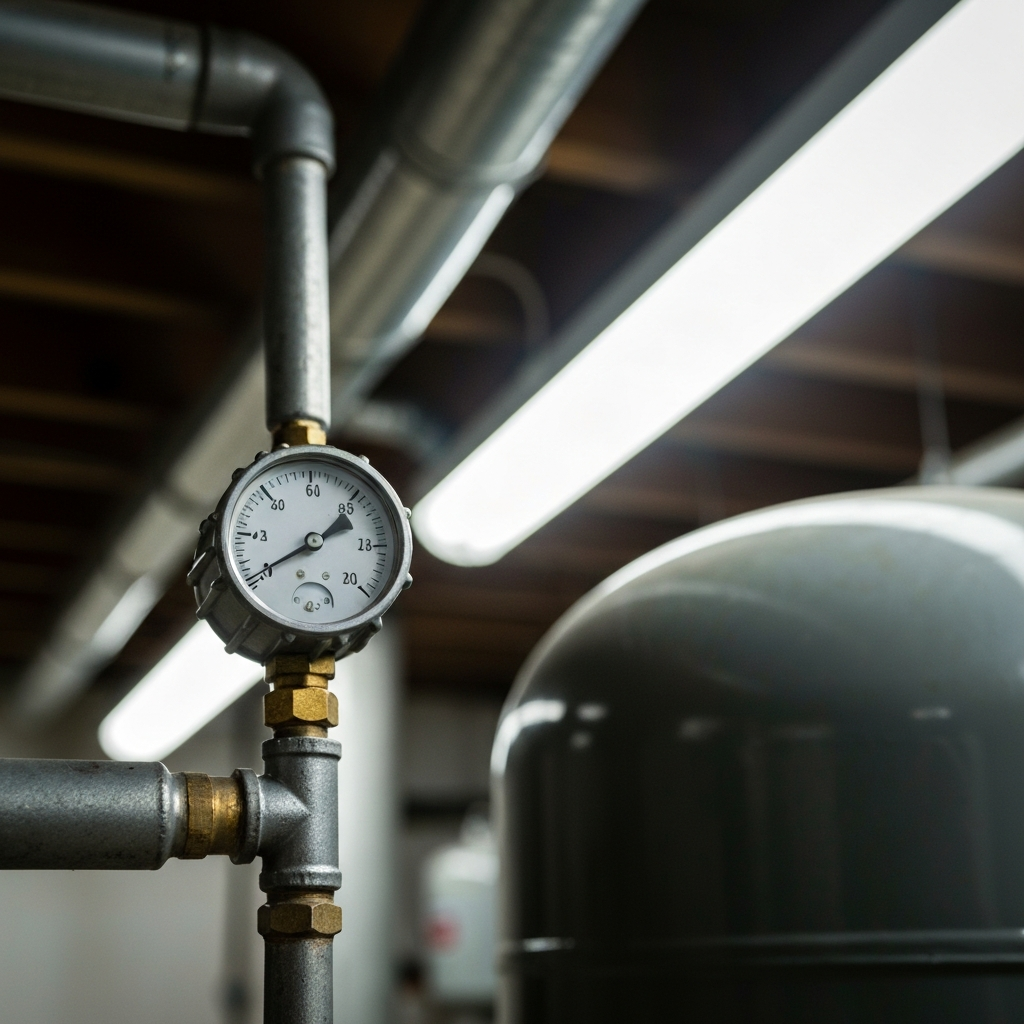
When the water pressure from your well suddenly drops — weak showers, a trickle at the faucets — it's a sign that something in your well system has changed. Unlike city water, a well system has its own pump, pressure tank, and controls that work together to deliver pressure, and a problem with any of them shows up at the tap. Understanding the common causes helps you track down where the pressure is being lost.
Well Pump Running Constantly and Won't Shut Off? Why
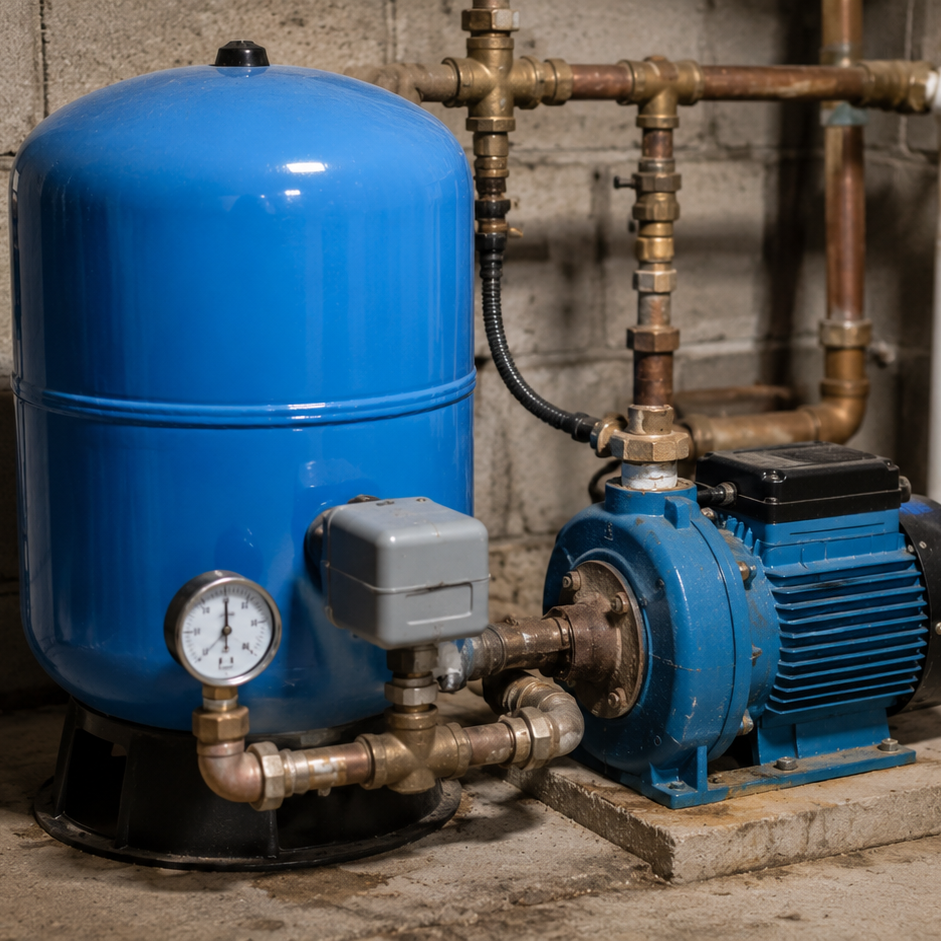
A well pump is supposed to run to build pressure, then shut off and rest. When it runs constantly and never shuts off, something is preventing the system from reaching the pressure that signals the pump to stop — and that continuous running can quickly damage the pump. Understanding the common causes helps you understand why it's happening and why it's worth acting on it quickly.
Well Water Smells Like Rotten Eggs? What's Behind It
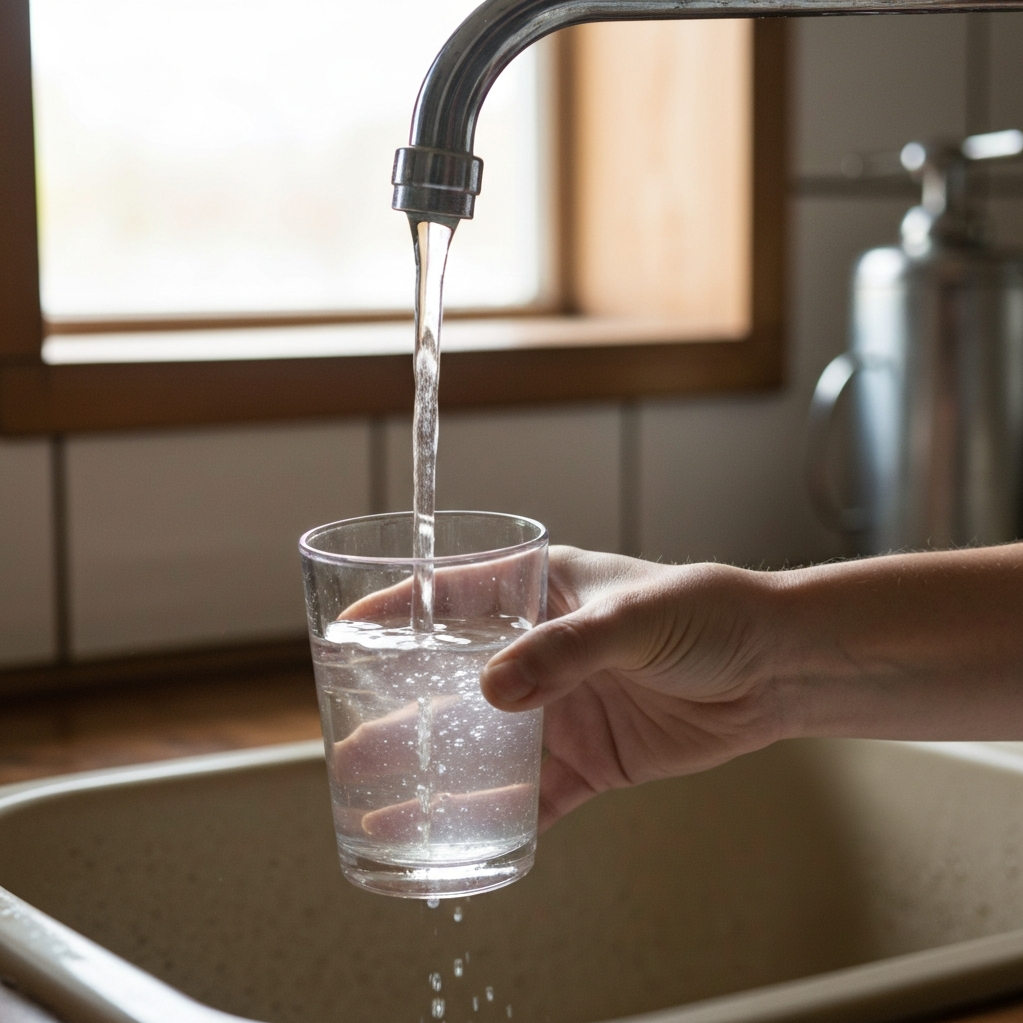
You turn on the tap and the smell hits before the glass is even full — that unmistakable rotten-egg whiff that makes the water hard to drink and the bathroom unpleasant. It's one of the most common complaints with well water, and the good news is that it's almost always fixable once you know what's behind it. The smell itself is your first diagnostic tool.
Well Pump Keeps Turning On and Off? Why It Short-Cycles
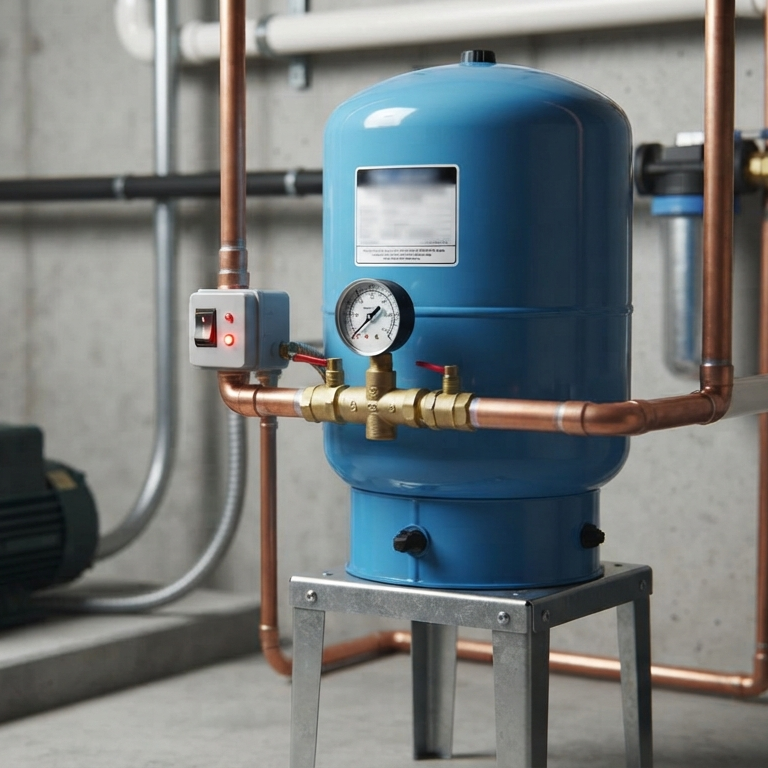
If your well pump is rapidly clicking on and off — cycling every few seconds or constantly starting and stopping — it's short-cycling, and it's a problem that can quickly damage your pump. The most common cause is well understood and fixable, but because short-cycling wears out the pump fast, it's worth addressing right away. Understanding why it happens shows why it matters.

Seasonal Changes: Spring
As frequent spring showers arrive, they bring new challenges to well component health in Florida.
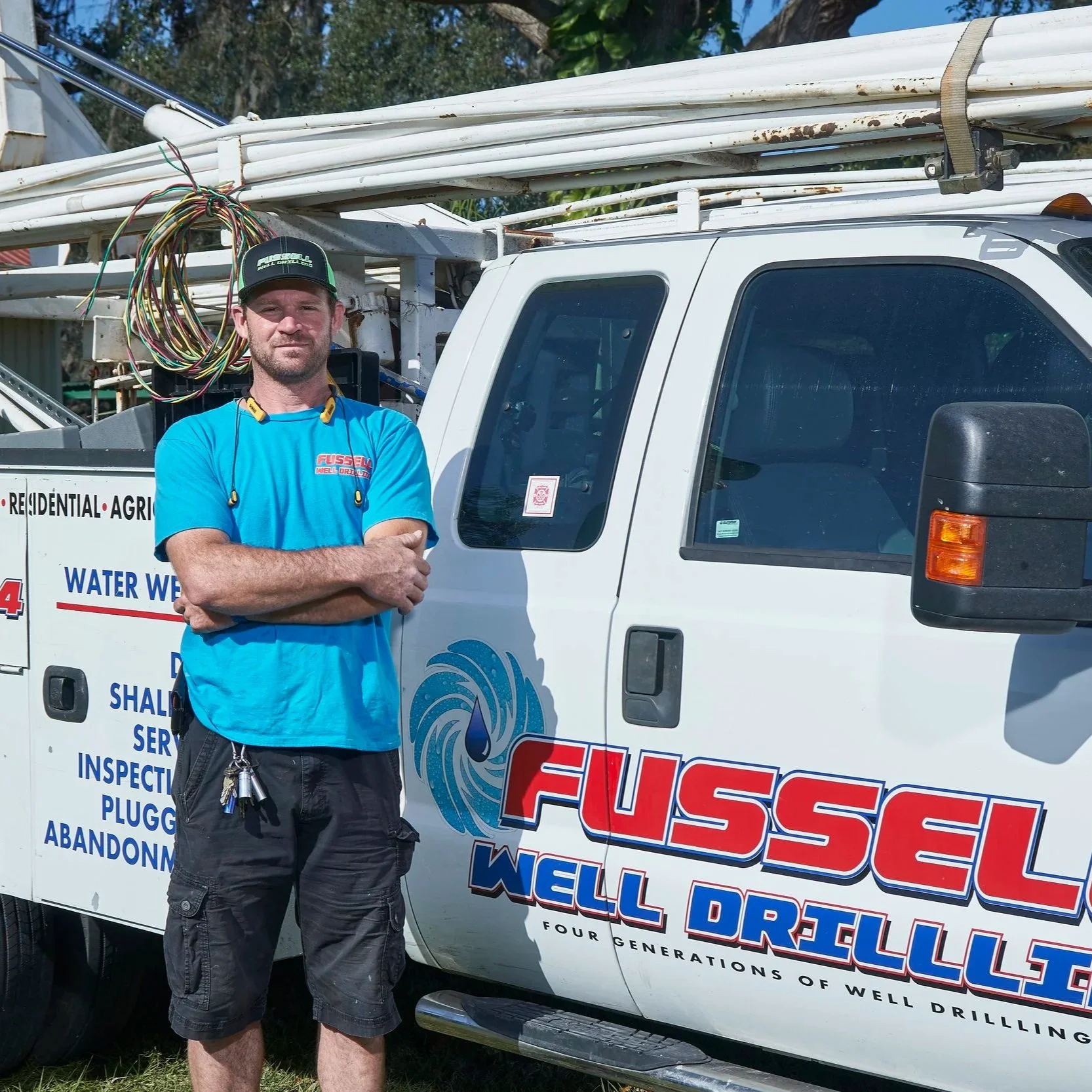
Why Professional Water Testing and Sampling Matters
Professional water sampling for certified lab testing is a strict process that ensures reliable water test results.
The ABCs of Water Testing: Meeting Quality Standards
Regular testing identifies potential contaminants and helps households address water quality issues that affect taste, safety, and equipment efficiency.
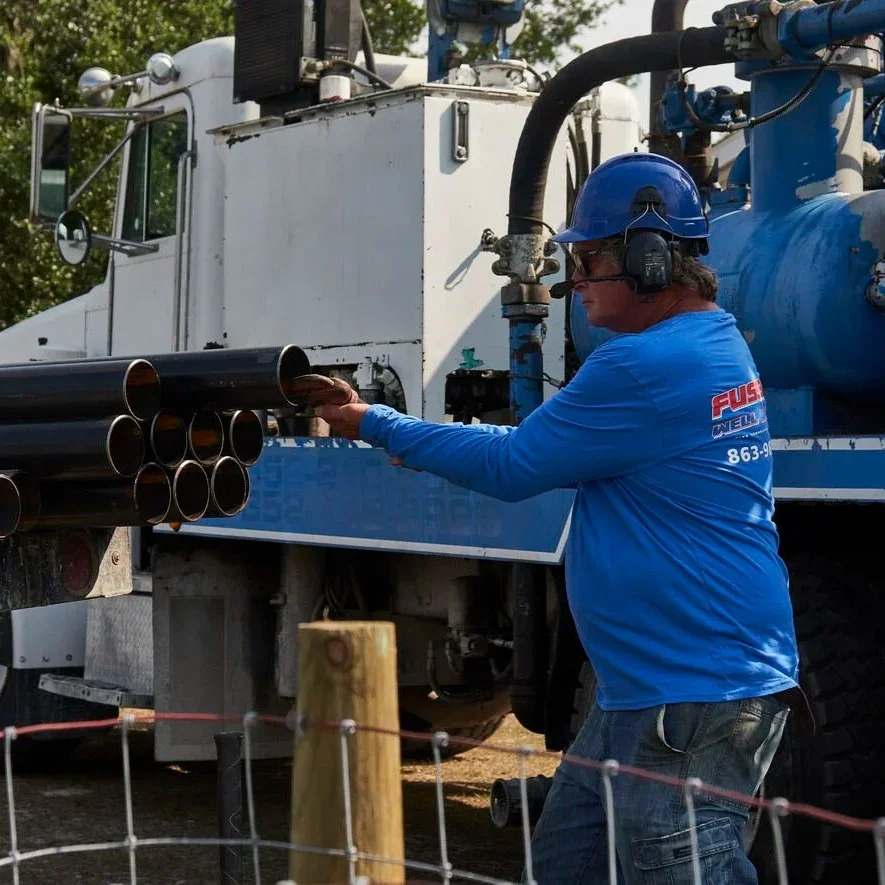
Well Efficiency 101: How to Maximize Flow Rate and Minimize Costs
By understanding and applying strategies to boost flow rate and optimize system performance, a well can serve as a cost-effective and sustainable resource.