
Shallow Vs. Deep Well: Which One Fits Your Property?
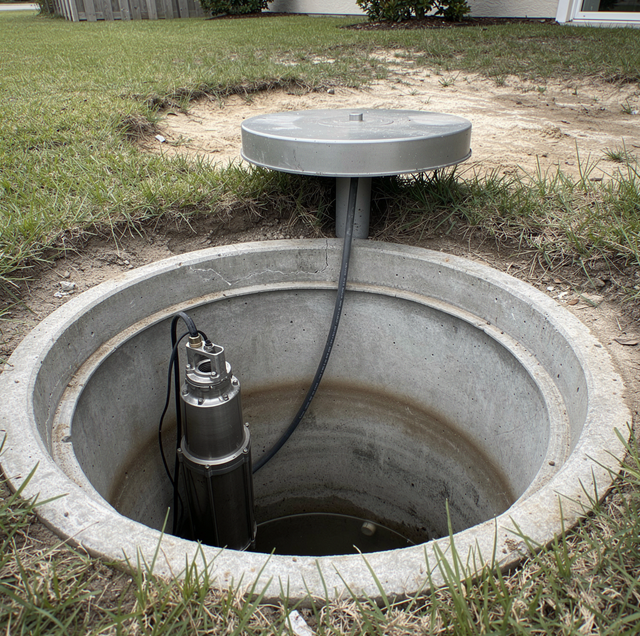
Quick Answer: A shallow well draws from an upper water-bearing layer near the surface and typically costs less to drill, but it's more exposed to seasonal water-table fluctuations and surface contamination during heavy rain. A deep well reaches into a lower, often rock-bound aquifer layer that holds water more steadily during dry stretches and tends to deliver more consistent mineral content, though it takes more time and equipment to drill and properly case. The right choice depends on how deep a stable water source lies beneath a given property, how reliable you need it during dry periods, and what the property is actually used for.
A drilling crew arriving to bid a new well usually asks about depth before anything else, because that one number decides almost everything downstream: how the rig gets set up, what the water is likely to taste like, and whether the well still produces when the rest of the yard has gone dry for weeks. Shallow and deep wells aren't just two lengths of the same pipe. They draw from different layers of ground, behave differently when rainfall stops, and carry different mineral loads once the water reaches a faucet. Understanding those differences before drilling starts, rather than after, is what keeps a property owner from ending up with a well that can't keep up with the property it serves.
How Well Depth Relates To Water Table Access
Groundwater doesn't sit in a single flat layer beneath a property. It moves through layers of soil, sand, and rock, some of it close enough to the surface to be reached with a short bore, some of it locked in dense rock formations far below. A shallow well taps the upper layer, generally the water-bearing zone closest to grade, where the soil holds moisture recently replenished by rainfall. That water is easy to reach, which is part of why shallow wells cost less to drill, but it also means the well draws from the same zone that dries out fastest when rain slows.
A deep well bypasses that upper layer entirely and reaches into a lower aquifer, often a porous rock formation that holds a much larger, steadier volume of water. Getting there takes drilling through denser material and casing off the upper layers so surface water and shallow groundwater can't mix into what the well eventually pulls up. The tradeoff comes down to this: shallower means faster access to water that moves with the seasons, deeper means slower access to water that barely notices them.
Geology And Drilling Considerations
The ground under a property is rarely uniform, and that unevenness shapes what a shallow or deep well actually involves once a rig is on site. In areas where groundwater sits above and within a limestone aquifer system, that porous rock layer is riddled with cavities and channels that store and move water differently than sand or clay does. A shallow well drilled into loose surface soil above that limestone is a comparatively quick job. A well reaching into or through the limestone itself requires different drilling methods, since the rock can be harder in some sections and honeycombed with voids in others, and a crew has to case the bore carefully to keep the hole from collapsing where the rock is more porous.
That same porous, cavity-riddled rock is also why karst geology carries siting considerations that flat sand terrain doesn't. Ground riddled with underground channels and dissolution features is more prone to shifting or settling than solid rock, which affects where a well gets sited and how it's sealed at each layer it passes through. A driller who has mapped the subsurface conditions on a given lot can usually tell early on whether a shallow well will hit a reliable water-bearing layer or whether depth will be necessary, regardless of preference, because the geology itself sets the limit before cost or convenience enters the conversation.
Reliability During Drought And Dry Periods
This is where the difference between shallow and deep wells shows up most, and often at the worst possible time. A shallow well relies on a water table that rises and falls with rainfall, irrigation runoff, and the season. During a wet stretch, that upper layer stays full, and a shallow well performs fine. During an extended dry spell, the same layer can drop several feet, and a well that was previously producing without issue can suddenly pump air, produce at low pressure, or stop delivering water altogether until the water table recovers.
A deep well drawing from a lower aquifer layer is largely insulated from that swing. Because it sits below the zone that responds directly to short-term rainfall, the water level in a deep well tends to remain far more stable through a dry season, even one that leaves nearby shallow wells struggling. That doesn't mean a deep well is completely immune to drought; sustained regional drought over multiple years can lower even a deep aquifer's level, and heavy nearby pumping for irrigation or other uses can draw down a shared aquifer layer faster than it recharges. But for the kind of seasonal dry stretch that recurs most years, depth is the single biggest factor separating a well that keeps running from one that doesn't.
Water Quality Differences By Depth
Depth affects more than reliability. It also shapes what's actually in the water. A shallow well draws from ground closer to the surface, which means it's more exposed to whatever moves through the soil above it, including runoff after heavy rain, fertilizer and pesticide residue from nearby land use, and organic material working its way down from the surface. That doesn't automatically make shallow well water unsafe, but it does mean the water quality can shift more with the seasons and needs closer, more frequent attention.
A deep well, filtered through more layers of soil and rock before the water ever reaches the casing, is generally better shielded from such surface influences. What it often carries instead is a heavier mineral load, since water moving slowly through rock picks up dissolved minerals along the way. Water drawn from a limestone-based aquifer layer commonly carries more calcium, iron, and sulfur compounds than water from a shallow sandy layer, which is part of why mineral scale, staining, and odor tend to track with well depth as much as with anything else. Neither depth produces water that's inherently better across every measure; a shallow well trades mineral content for more seasonal variability, and a deep well trades that variability for a more consistent, mineral-heavier baseline. Either way, testing at the tap is what actually tells you what a specific well is delivering, not depth alone.
Shallow Vs. Deep Wells At A Glance
| Feature | Shallow Well | Deep Well |
|---|---|---|
| Typical depth range | Draws from the upper water-bearing zone close to the surface | Reaches a lower aquifer layer, often through rock formations |
| Reliability in drought | More exposed to seasonal water table drops; can lose production during dry stretches | Generally more stable through seasonal dry spells; less affected by short-term rainfall swings |
| Water quality tendencies | More exposed to surface influence; quality can shift with seasons and land use nearby | Better shielded from surface contamination; often carries a heavier, steadier mineral load |
| Drilling considerations | Faster to drill through looser surface soil; less casing needed | Requires drilling through denser rock and careful casing across multiple layers |
| Best-fit property type | Properties with a shallow, reliable water table and light to moderate demand | Properties needing dependable year-round output or facing an unreliable shallow water table |
Which Property Situations Favor Each Option
A shallow well tends to suit a property where the water table has proven dependable across seasons, water demand remains modest, and the household or operation can tolerate some seasonal variation in flow or mineral content. A smaller residential lot with light irrigation needs and easy access to a shallow, well-recharging aquifer layer is often a solid candidate, and the simpler drilling process means less time and disruption getting the well into service.
A deep well becomes the better fit once reliability matters more than convenience. A property that has already experienced a shallow well running dry during a dry season, one supporting heavier household demand, or one running agricultural or livestock operations that can't tolerate an interrupted supply usually needs the steadier output a deeper source provides. The same logic applies to any property where the local geology simply doesn't offer a dependable shallow water-bearing layer to begin with; in that case, depth isn't really a choice so much as a requirement the ground itself sets. A driller who tests the site before recommending a depth is doing more than following a rule of thumb. They're matching the well to what that specific property's subsurface conditions and water demand actually call for, which is the only way to land on a well that still performs the same way five or ten years after it goes in.
Frequently Asked Questions
Sometimes, depending on the well's casing, its diameter, and how it was originally constructed. A well, when built with the right casing size, can sometimes be deepened through the existing bore, avoiding starting over from the surface. A well that wasn't built for that, or one where the casing has deteriorated, usually needs to be replaced with a new bore drilled to the target depth rather than extended.
Not automatically. A deep well is generally better protected from surface contamination, but it often carries a heavier mineral load picked up from rock layers along the way, which can mean more scale, staining, or odor rather than less. Depth changes what's likely to be in the water more than it guarantees the water is cleaner overall.
A driller typically reviews records from nearby wells and the general subsurface conditions in the area, then confirms depth and yield during drilling itself. Surface indicators alone rarely tell the full story, since two properties close together can still tap different water-bearing layers depending on the exact geology beneath each one.
Not always, but it's more exposed than a deep well by design, since it draws from the layer that responds most directly to rainfall. How much a shallow well struggles during a dry stretch depends on the water table's typical depth at that property, how much water is being pulled from nearby wells sharing the same layer, and how long the dry period lasts.
Somewhat. A shallow well exposed to more surface influence sometimes needs more frequent water testing and can be more sensitive to nearby land use changes. A deep well's maintenance tends to focus more on mineral buildup in pumps and fixtures than on surface contamination, since the water it draws has already filtered through more rock and soil.
Yes, and that's common rather than unusual. Even properties close together can have different subsurface conditions, meaning one might reach a dependable shallow water-bearing layer while the other needs to go significantly deeper to reach the same reliability. Depth follows what's actually under a given property, not what a neighboring well happened to need.
Not sure which depth fits your property — schedule a site evaluation to find out. Fussell Well Drilling serves Polk County and Central Florida. Call (863) 984-3144.
