
Well Shock Chlorination: When You Actually Need to Shock a Well
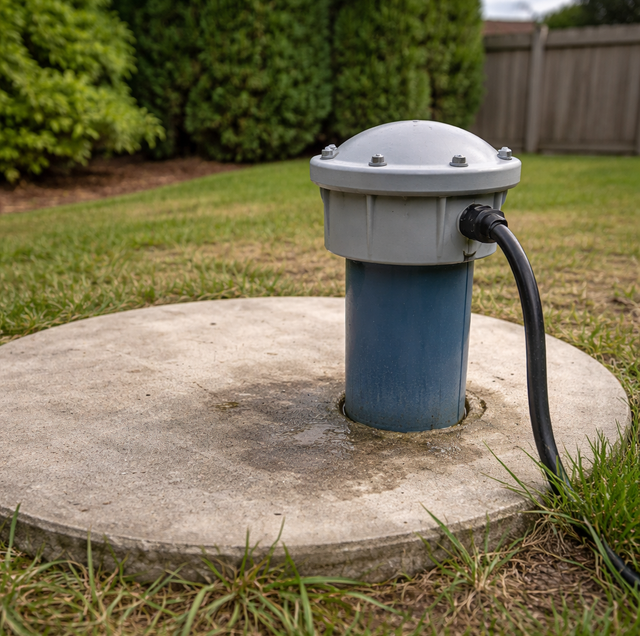
Quick Answer: Shock chlorination disinfects a private well and its plumbing with a strong, temporary dose of chlorine, then flushes it out. Use it after a positive coliform or E. coli test, after well repairs, after flooding, or when sulfur or iron bacteria cause odor and slime. It is a reset, not a permanent cure for a well that keeps getting contaminated.
Shock chlorination is a one-time high dose of chlorine sent through an entire private well system to kill bacteria, then flushed back out. The word "shock" is accurate: instead of the trace chlorine a city adds continuously, you push a strong slug of it into the well casing, the pump, the pressure tank, and every water line, hold it there for hours, and then run it to waste. The goal is disinfection. Done correctly, it wipes out coliform bacteria, iron and sulfur bacteria, and much of the slime and odor that come with them. Knowing what the treatment is, and when a well truly needs it, matters more than the steps themselves, because a well shocked at the wrong time (or for the wrong reason) either fails or masks a problem that keeps coming back.
Why Wells Get Contaminated in the First Place
A drilled well is a sealed pathway from a water-bearing zone underground up to the surface. As long as that seal holds, surface bacteria stay out. Contamination usually means the seal has been broken somewhere, or something introduced bacteria directly.
The common entry points are worth naming, because the fix depends on which one you have:
A cracked or corroded casing: The steel or PVC pipe lining the borehole is the well's outer wall. A crack, a rust hole, or a separated joint lets shallow groundwater (which carries surface bacteria) seep into the drinking-water column.
A bad well cap or seal: The cap on top of the casing keeps out insects, rodents, and rainwater runoff. A cracked cap, a missing vermin screen, or a cap that sits below grade during heavy rain is a frequent, and cheap-to-fix, source of coliform.
Flooding: When surface water rises over the wellhead, contaminated water can pour straight down into the casing. Any well submerged during a flood should be treated as contaminated until a lab test proves otherwise.
New construction or a recent repair: Pulling a pump, replacing a pressure tank, or setting a brand-new well all expose the inside of the system to open air, hands, and tools. Bacteria ride in on equipment. This is why disinfection is a standard closing step after most well work.
A positive coliform or E. coli test: Total coliform bacteria are an indicator group. Finding them means surface material has reached the water. E. coli specifically points to fecal contamination, which is a health concern and calls for immediate action.
Sulfur and iron bacteria: These are nuisance organisms rather than direct health threats, but they are the reason many owners call. Sulfur bacteria produce hydrogen sulfide gas, the rotten-egg smell. Iron bacteria feed on dissolved iron and leave behind a reddish or rust-colored slime that clogs screens, stains fixtures, and coats the inside of pipes. Both colonize the well and biofilm on surfaces, so a heavy dose is often what dislodges them.
What Shock Chlorination Actually Does
The treatment disinfects the whole system, not just the water sitting in it at that moment. A strong chlorine solution is introduced into the casing and then circulated so it contacts every surface bacteria can hide on: the casing walls, the pump and drop pipe, the pressure tank, the water heater, and every branch line out to the fixtures.
That reach is the point. Bacteria live in biofilm, a thin protective layer stuck to interior surfaces. Simply running chlorinated water past them briefly does not kill much. Holding a high concentration in contact with those surfaces for several hours is what breaks down the biofilm and kills the organisms living in it. When people are surprised that a quick flush did nothing but a proper shock worked, contact time is usually the difference.
The Process at a High Level
Every well is a little different, but a correct shock follows the same order.
Test first. A water sample goes to a certified lab, so the actual problem is known before anything is added, because shocking blindly wastes the treatment and hides useful information.
Calculate the dose for the well's volume: The amount of chlorine needed depends on how much water the casing holds, which comes from the well's diameter and the depth of standing water. Too little chlorine will not reach a killing concentration; too much can damage components and is harder to flush. This calculation is where a professional earns their keep.
Add the chlorine and circulate it: The solution goes into the casing, then a hose is often run from an outside spigot back down into the well to mix the water. Next, every fixture in the house (each faucet, each shower, outside taps) is opened one at a time until the chlorine smell reaches it, then closed. That pulls the disinfectant through all the plumbing, not just the well.
Let it sit: The system rests, commonly overnight or up to twelve to twenty-four hours, so the chlorine has time to work on the biofilm.
Flush it out, then re-test: All the chlorinated water is run to waste until the smell and any test strips read clear. After the system returns to normal use for a stretch, a fresh lab sample confirms whether the bacteria are actually gone.
One way to picture the contact-time problem: Cleaning a well by briefly running chlorinated water through it is like wiping a greasy pan with a dry paper towel: the surface looks touched, but the film underneath is untouched. Letting a strong solution soak is the equivalent of leaving the pan to sit in hot soapy water, which is what finally lifts the residue that a quick pass leaves behind.
Why It Is a Reset, Not a Cure
Shock chlorination kills the bacteria present today. It does nothing about how they got in. If the casing is still cracked, the cap is still failing, or a septic system is still leaking toward the well, new bacteria simply repopulate the system, often within weeks. A well that tests positive, gets shocked, tests clean, then tests positive again a month later is telling you the source is still open.
That pattern is the single most useful piece of diagnostic information a shock provides. A one-and-done clean result after a repair or a flood suggests a temporary intrusion that is now resolved. A result that keeps failing points to a structural defect that a qualified contractor needs to find and fix: a casing repair, a new sanitary seal, a wellhead raised above flood level, or greater separation from a contamination source. In those cases, repeated shocking is not treatment; it is postponing the real repair.
When bacteria are chronic (sulfur or iron bacteria that always creep back, or a source that cannot be fully eliminated), the durable answer is continuous treatment rather than a periodic shock. An ultraviolet (UV) system disinfects water as it flows past a UV lamp, killing bacteria on the way to the tap without adding chemicals. A continuous chlorination system with a small metering pump and a contact tank keeps a low, safe residual in the water at all times. Which one fits depends on the water chemistry and the reason bacteria keep returning, and that is a decision worth making with a professional after the retest results are in.
Handling Chlorine Safely
The chlorine used for a shock is far stronger than what comes out of a treated tap, and it deserves respect.
Never mix chlorine with other cleaning chemicals, because chlorine combined with ammonia or acid products releases toxic gases. Use it on its own, in a ventilated area, and wear eye protection and gloves, because splashes burn skin and eyes. Do not drink, cook with, or bathe in the water while it is chlorinated.
Do not drink, cook with, or bathe in the water while it is chlorinated. The concentration during a shock is high enough to be unsafe to consume, and the whole point is to keep contact time up inside the pipes, not to run it through your body. Give animals and livestock a separate clean water source for the duration.
Never mix chlorine with other cleaning chemicals. Chlorine combined with ammonia or acid products releases toxic gases. Use it on its own, in a ventilated area, and wear eye protection and gloves, because splashes burn skin and eyes.
Protect the equipment that heavy chlorine can ruin. Water softeners, sediment and carbon filters, reverse-osmosis units, and some appliances can be damaged by a strong dose, so they are typically bypassed before the shock and put back in service after flushing. Sending high-chlorine water through them can strip carbon media or foul a softener resin.
Route the flush water with care. Heavily chlorinated water can kill the beneficial bacteria in a septic tank and burn lawns and garden plants. Flushing slowly, spreading the discharge, or dechlorinating it first keeps a septic system and landscaping from taking collateral damage. Draining a large volume all at once into a septic drainfield is the mistake to avoid.
Confirm safety with a lab, not your nose. The absence of a chlorine smell means the chlorine is gone; it does not prove the bacteria are gone. Only a certified lab retest, taken after the system is back in normal use, tells you the water is safe to drink again.
Frequently Asked Questions
Not until two things happen: the chlorine is fully flushed out (no smell, and a chlorine test strip reads near zero) and a certified lab confirms the bacteria are gone. Because chlorine can mask a lingering problem, the useful test is a sample drawn after the system has run normally for several days to a week, not immediately after flushing. Drinking the water in between risks either high chlorine or a false sense of safety.
Yes, but those units should be bypassed first. Softener resin and carbon filter media are made to trap and hold contaminants, and a heavy chlorine dose can degrade the carbon and shorten the life of the resin. The standard sequence is to route water around the treatment equipment, shock and flush the well and household lines, then bring the softener and filters back online once the chlorine is gone.
Sometimes, but not always. If the smell comes from sulfur bacteria colonizing the well, a shock can knock them back and clear the odor for a while. If the hydrogen sulfide is being generated continuously (by ongoing bacterial activity or the water chemistry itself), the smell returns and a continuous treatment such as aeration or a dedicated filter is the lasting fix. A shock that clears the odor for only a few weeks is a strong hint the source is still active.
Not the staining from dissolved iron in the water itself, no. Shock chlorination targets iron bacteria, the organisms that leave rust-colored slime and clog screens, and it can clear that slime and the clogging it causes. Orange or brown staining on fixtures from plain dissolved iron is a mineral issue that needs an iron filter or oxidizing system, not disinfection. Sorting out which one you have is part of why the up-front lab test matters.
A yearly bacteria test is the common baseline for a private well, since owners are responsible for their own water quality with no utility monitoring it. Test more often after any event that could let contamination in: flooding over the wellhead, a pump or casing repair, a noticeable change in taste, color, or smell, or a new baby or immune-compromised person in the household. Catching a positive result early is what keeps a small shock from becoming a bigger repair.
A homeowner can shock a simple well, but two situations call for a pro: an E. coli-positive result, and any well that keeps failing after being shocked. E. coli signals fecal contamination and a possible health emergency, and a well that repopulates with bacteria has a structural defect (a cracked casing, a failed seal, or a contamination source too close) that has to be located and repaired. A contractor also sizes the dose correctly for the well volume and can pull and inspect the casing, which a surface treatment cannot address.
Get your well tested and shocked the right way — protect your family's drinking water and stop repeat contamination at the source. Fussell Well Drilling serves Polk County and Central Florida. Call (863) 984-3144.
