
Why Is Water Spitting Air Out of the Faucet?
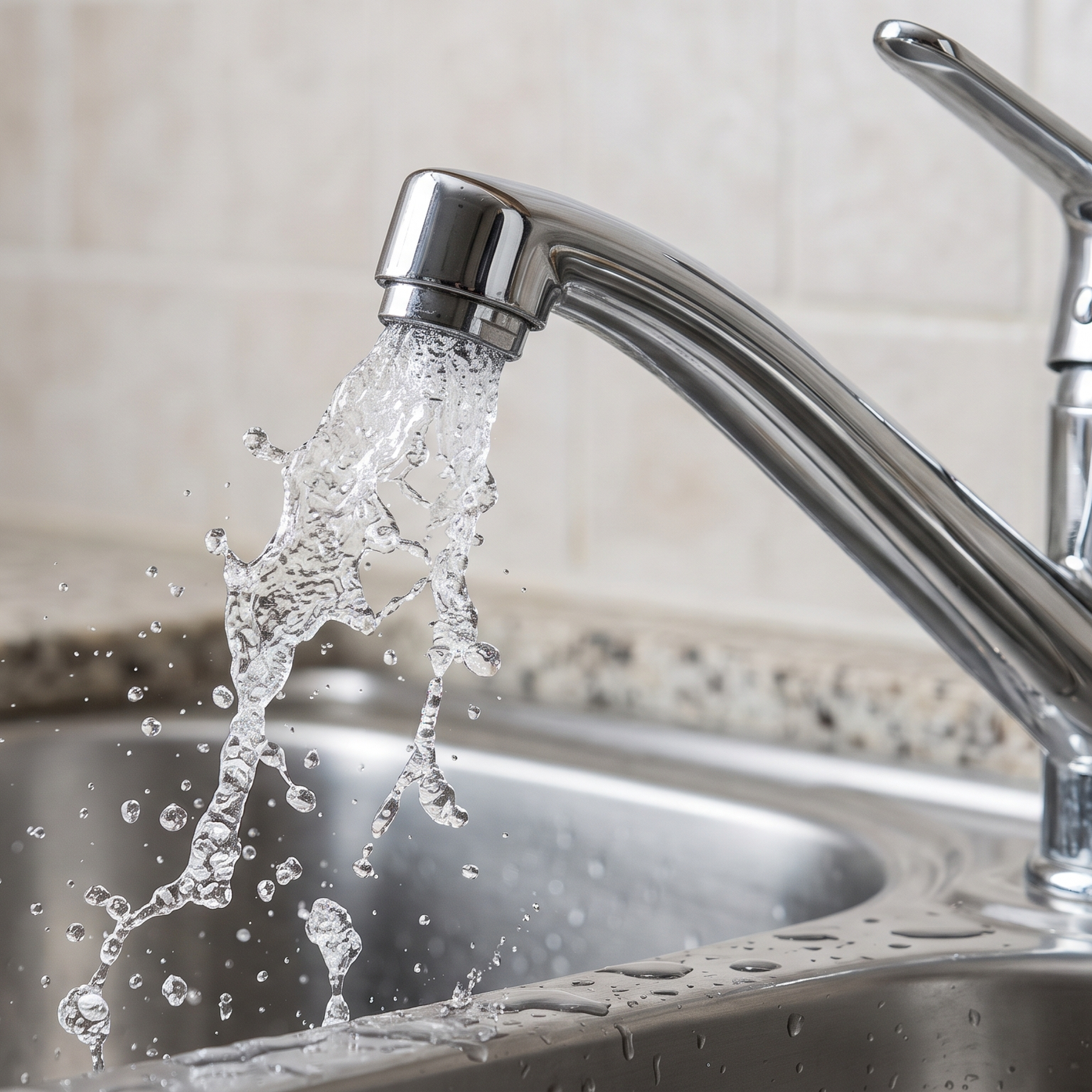
The faucet coughs, spits, and hisses before the water settles into a steady stream. On a well system, that stutter is not the plumbing playing tricks on you. It means air is getting into a set of pipes that are supposed to carry only water, and where that air comes from tells you a lot about what needs fixing. Some sources are cheap and quick to correct. Others mean the pump is pulling against a well that no longer holds the water it once did. The pattern of the spitting and when it happens narrows the list fast.
What the Sputter Actually Is
A well delivers water under pressure. A pump lifts water from the ground, and a pressure tank maintains a cushion of compressed air that pushes the water through the house between pump cycles. When everything is sealed and full, the tap runs smoothly. Air spitting out of the faucet means one of three things is happening: the tank has lost the balance between its air charge and its water, the pump is drawing in air along with the water, or air is being freed from the water itself somewhere in the system.
Each has its own fingerprint, and sorting them starts with a couple of observations you can make without any tools.
The Pressure Tank Is the First Suspect
Most sputtering traces back to the pressure tank, and the specific failure depends on which kind you have.
An older air-over-water tank, sometimes called a galvanized or plain steel tank, holds air and water in direct contact with no barrier between them. Over months and years, the air slowly dissolves into the water and gets carried out to the taps. The tank becomes "waterlogged," meaning it is nearly full of water, leaving almost no air cushion. The pump then short-cycles, snapping on and off every time you open a tap, and the taps spit as the last of the trapped air works its way out. These tanks were designed to be recharged, either by draining and refilling or through an air-volume control that meters air back in.
A modern bladder or diaphragm tank is different. It keeps the air sealed in a rubber bladder, physically separated from the water, so it should never feed air into your lines. If a bladder tank is spitting air, the bladder has usually ruptured, and the tank has effectively become a waterlogged plain tank, or the air is coming from somewhere else entirely. That distinction matters because recharging a plain tank is routine maintenance, while a torn bladder means the tank gets replaced.
When the Pump Is Pulling In Air
If the tank checks out, the air is coming from the well side, and the pump type changes the picture.
A jet pump sits above ground and lifts water by suction, the same way a straw does. Anything loose on that suction side, a cracked fitting, a bad gasket, a pinhole in the line to the well, lets the pump pull in air instead of a solid column of water. Because a jet pump relies on atmospheric pressure to lift, it cannot draw water from much beyond about 25 vertical feet down to the water surface on a shallow-well setup, and as a well's water level drops toward that limit, the pump starts grabbing air. A worn venturi inside the jet assembly can also cavitate, making a rattling, gravelly sound as vapor bubbles form and collapse.
A submersible pump sits underwater at the bottom of the well and pushes water up, so it has no suction line to leak. When a submersible feeds air, the usual culprit is a crack or loose joint in the drop pipe, the pipe that carries water from the pump up to the surface. A break lets the column drain back and lets air in. The other common cause is the well itself: if the water level falls below the pump intake, even for part of each cycle, the pump breaks suction and sends up a slug of air.
| What You Notice | Where the Air Is Coming From |
|---|---|
| Pump snaps on and off rapidly, spitting worst right after it cycles | Waterlogged plain tank or ruptured bladder |
| Steady sputter that never clears, plus a rattling pump | Suction-side leak or worn venturi on a jet pump |
| Fine, cool air only at the first draw of the day | Slow leak letting the line drain and lose prime overnight |
| Spitting that worsens during heavy use or dry stretches | Water level dropping to or below the pump intake |
| Air with no tank problem and no leak found | Gas dissolved in the aquifer itself |
Prime, Foot Valves, and Check Valves
A well system stays ready to deliver water because it holds its prime, meaning the pipes stay full between uses. Two parts keep that column of water from draining back down the well: a foot valve at the bottom of a jet-pump line, and a check valve on a submersible. Both are one-way valves. When the flapper or seat inside wears out or gets fouled, water trickles backward down the well while the system sits idle. The line partly empties and fills with air, so the next time you open a tap, it spits until the pump refills the pipe.
That is why the timing of the spitting is such a useful clue. A valve that leaks slowly shows up as a burst of air at the first draw of the morning, then clean water the rest of the day once the line is repacked. Air that never fully clears points instead at an ongoing source, a live suction leak, or a well running low, rather than an idle line draining down.
What It Means When the Well Runs Low
The one cause that is not a broken part is a well that is being asked for more water than it holds. Draw the level down faster than the aquifer refills, whether by running irrigation, filling a pool, or simple heavy household demand, and the pump reaches a point where it is pumping partly air. A limestone aquifer is generally productive, but groundwater levels rise and fall through the year: they run higher after the summer rains and draw down through the drier months, and a multi-year drought lowers them further still. A well that spits only during a dry spell or under heavy irrigation may simply be near its limit, not broken. Running a pump on air is not harmless, though, which is worth understanding before you shrug it off.
Putting the Clues Together
Air in the lines is a symptom with a handful of distinct causes, and the good news is that most of them announce themselves once you know what to watch. Note whether the spitting is worse at the first tap or constant, whether the pump is short-cycling, and whether it tracks with heavy use. Those three observations usually point straight at the tank, a leaking valve, or a well drawing down. Some fixes are simple maintenance; others involve pulling the pump or evaluating the well's yield, which is where a licensed well contractor earns the call. Chasing it early keeps a nuisance sputter from turning into a burned-out pump.
Frequently Asked Questions
That pattern almost always means the system is losing its prime overnight. A worn foot valve or check valve lets water seep back down the well while no one is using it, so the pipes partly drain and fill with air. The first draw pushes that air out, then runs clean once the pump repacks the line. A constant sputter that never clears points elsewhere, to a live suction leak or a well running low, because nothing has had a chance to drain and refill.
With the pump breaker off and a faucet open to drain the pressure down to zero, press the Schrader air valve on top of a bladder tank. A healthy tank hisses air; if water sprays out instead, the bladder has failed. On a plain steel tank, tap up the side with a knuckle, the hollow ring is the air space, and a dull thud is water, and a tank that thuds nearly to the top is waterlogged. If the tank tests fine, the air is coming from the well side, and you move on to the pump and valves.
Air itself is harmless, and cloudy water that clears from the bottom up in a glass is just dissolved air escaping, not contamination. The caution is that whatever is letting air in, a loose fitting or a low water level pulling from near the well's silt, can also be a path for bacteria or sediment that the system was designed to keep out. Sputtering that comes on with a change in taste, smell, or clarity is worth a water test rather than a guess.
Water cools and lubricates a pump as it runs. When the pump draws in air, or the water flashes to vapor, called cavitation, tiny bubbles form and collapse against the impeller with enough force to pit the metal over time. A submersible relies on flowing water to carry heat away from the motor, so a pump repeatedly breaking suction on a low well can overheat and fail early. The spitting is a warning that the pump is working under conditions it was never meant to run in.
On a jet-pump system, yes. The buried line running from the well out to an above-ground pump is under suction, so any crack, loose barb, or failed gasket along it pulls air in rather than leaking water out, which is why these leaks stay hidden with no wet spot to find. A submersible's line is under pressure and would instead show a visible leak. Pressurizing and isolating sections of the suction line is how a technician tracks down a hidden air draw.
Not necessarily. Groundwater rises after the rainy season and falls through the drier stretches, so a well whose static level sits close to the pump intake can spit air seasonally without anything being broken. It can just as easily happen in wet months if demand outruns recovery, filling a pool or running irrigation at full capacity. The fix ranges from easing the draw to lowering the pump or deepening the well; a yield test tells which, and confirms whether the well is truly declining or simply riding a low point.
Chasing air in your lines or a pump that will not stop cycling — let a well pro pin down the cause before it costs you a pump. Fussell Well Drilling serves Polk County and Central Florida. Call (863) 984-3144.
