
Well Water Pressure Suddenly Low? What's Behind It
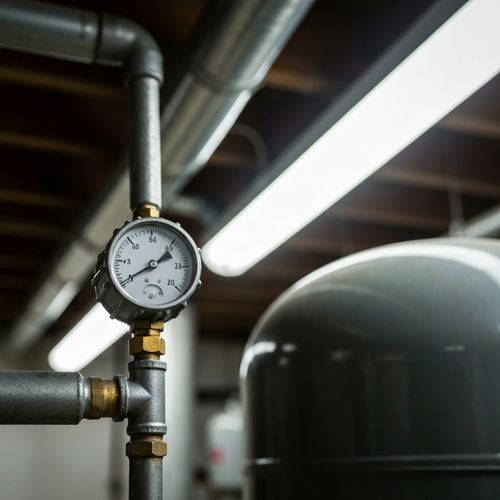
Quick Answer: A sudden drop in well water pressure usually traces to a problem in the system that delivers and regulates the water. Common causes are a failing or waterlogged pressure tank, a misadjusted or failing pressure switch, a clogged sediment filter or screen, a worn or failing well pump, or a leak somewhere in the system. Sediment or mineral buildup in pipes and fixtures can also restrict flow. Because the pressure tank and switch control the pressure your home sees, they're often the culprits when pressure drops suddenly. Pinpointing it means checking the pressure tank, switch, and filters, then the pump and lines — a well professional can diagnose where the pressure is being lost.
When the water pressure from your well suddenly drops — weak showers, a trickle at the faucets — it's a sign that something in your well system has changed. Unlike city water, a well system has its own pump, pressure tank, and controls that work together to deliver pressure, and a problem with any of them shows up at the tap. Understanding the common causes helps you track down where the pressure is being lost.
How a Well System Makes Pressure
A well system delivers pressure through a few key components working together. The well pump draws water from the well, the pressure tank stores water under pressure and smooths out delivery, and the pressure switch turns the pump on and off to keep the pressure within a set range. Filters and screens keep sediment out. When all of these are working, you get steady, consistent pressure at your fixtures. So when pressure drops suddenly, the cause is usually in one of these components — the question is which one. Working through them in order helps pinpoint it.
Cause One: The Pressure Tank
The pressure tank is a frequent culprit in pressure problems. It holds water under pressure using a cushion of air; when that air charge is lost, or the tank's internal bladder fails, the tank becomes "waterlogged" and can no longer maintain pressure properly. A failing or waterlogged pressure tank often shows up as low or fluctuating pressure, and it can cause the pump to cycle rapidly. Because the tank directly governs the pressure your home experiences, a tank problem is a common reason for a sudden pressure drop and one of the first things to check.
Cause Two: The Pressure Switch
The pressure switch tells the pump when to turn on and off based on the system pressure, keeping it within a set range (for example, between a cut-in and cut-out pressure). If the switch is misadjusted, failing, or its contacts or sensing port are fouled, it may not be signaling the pump correctly, resulting in low pressure. A switch set too low or one that's malfunctioning can leave your home with low pressure. Since the switch controls when the pump runs to build pressure, a switch problem directly affects the pressure you get.
| Cause | What's happening |
|---|---|
| Waterlogged/failing pressure tank | Tank can't hold pressure properly |
| Pressure switch issue | Pump not signaled to maintain pressure |
| Clogged filter or screen | Sediment restricts flow |
| Worn or failing well pump | Pump can't produce normal pressure |
| Leak in the system | Water and pressure lost before fixtures |
| Sediment/scale in pipes | Buildup narrows lines, restricts flow |
Cause Three: Clogged Filters and the Pump
Restrictions and the pump itself are also common causes. A clogged sediment filter or a blocked screen restricts water flow, dropping pressure — and since filters can clog relatively suddenly, this is worth checking, as replacing a clogged filter can restore pressure quickly. The well pump can also be the issue: a pump that's wearing out, failing, or not performing as it should can't produce normal pressure, leading to a drop. Sediment or mineral scale building up inside pipes and fixtures narrows them over time and restricts flow too. So the cause could be a simple clogged filter or a more involved pump problem, which is why checking the simpler restrictions first makes sense.
Cause Four: A Leak
A leak somewhere in the system bleeds off water and pressure before it reaches your fixtures. A significant leak in the well piping, the line from the well to the house, or the home plumbing can divert water and reduce the pressure available at the taps. A leak can also make the pump run more as it tries to keep up. If low pressure comes with signs of a leak, such as unusually wet areas, the sound of running water, or a higher-than-normal pump runtime, a leak moves up the list of suspects. Finding and repairing it restores both the pressure and the lost water.
Note whether the low pressure affects the whole house or just one fixture. Whole-house low pressure points to the shared parts of the well system — the pressure tank, switch, pump, or main filter. Low pressure at a single fixture is more likely a localized clog or issue at that fixture, which narrows the search considerably.
How It Gets Diagnosed
Because several components can cause low pressure, diagnosing it means checking them systematically — the pressure tank's air charge and condition, the pressure switch's setting and operation, the filters and screens for clogs, the pump's performance, and the system for leaks. The pressure tank and switch are common starting points since they directly govern pressure, followed by filters, the pump, and leaks. Because a well system involves electrical components and a pump, and because correct diagnosis matters, a well professional can test the system, identify where the pressure is being lost, and repair the cause — whether that's recharging or replacing the tank, adjusting or replacing the switch, clearing a clog, or servicing the pump. That methodical approach finds the real cause rather than guessing.
Frequently Asked Questions
Because something in the well system that delivers and regulates pressure has changed. Common causes are a failing or waterlogged pressure tank, a misadjusted or failing pressure switch, a clogged filter or screen, a worn or failing well pump, or a leak. Sediment buildup in pipes can also restrict flow. The pressure tank and switch, which govern pressure directly, are frequent culprits.
A pressure tank holds water under pressure using a cushion of air. When that air charge is lost, or the tank's internal bladder fails, the tank becomes "waterlogged" — filled with water and unable to maintain pressure properly. This often causes low or fluctuating pressure and can make the pump cycle rapidly. A waterlogged or failing tank is a common reason for a sudden pressure drop.
Yes. A clogged sediment filter or a blocked screen restricts water flow, which drops the pressure at your fixtures. Because filters can clog relatively suddenly as they fill with sediment, this is a common, and often quick-to-fix cause — replacing a clogged filter can restore pressure. It's worth checking the filters before assuming a more involved pump or tank problem.
It can. A well pump that's wearing out or failing can't produce normal pressure, leading to a drop. Pump problems are a more involved cause than a clogged filter or a tank issue, so it's worth ruling out the simpler causes first. If the tank, switch, and filters check out and pressure is still low, the pump's performance is worth having evaluated by a professional.
Yes. A significant leak in the well piping, the line to the house, or the home plumbing diverts water and reduces the pressure available at your fixtures, and it can make the pump run more to keep up. Signs of a leak alongside low pressure — wet areas, running water sounds, or longer pump run times — point to this cause. Repairing the leak restores pressure and stops the water loss.
If checking the simple things doesn't restore pressure, or you're unsure of the cause, a well professional can help. A well system involves a pump, pressure tank, switch, and electrical components, and diagnosing low pressure means testing these systematically. A professional can identify where the pressure is being lost and repair it — recharging or replacing the tank, adjusting the switch, clearing a clog, or servicing the pump.
Track Down Where the Pressure Goes
A sudden drop in well water pressure means something in your well system has changed — most often the pressure tank or switch that governs pressure, a clogged filter, a failing pump, or a leak. Because several components can be responsible, finding the cause means checking them in order, starting with the tank, switch, and filters. A well professional can test the system and pinpoint where the pressure is being lost, restoring steady pressure to your taps.
Well water pressure suddenly weak — Get the pressure tank, switch, pump, and lines checked to find where the pressure went. Fussell Well Drilling serves Polk County and Central Florida. Call (863) 984-3144.
