
The ABCs of Water Testing: Meeting Quality Standards
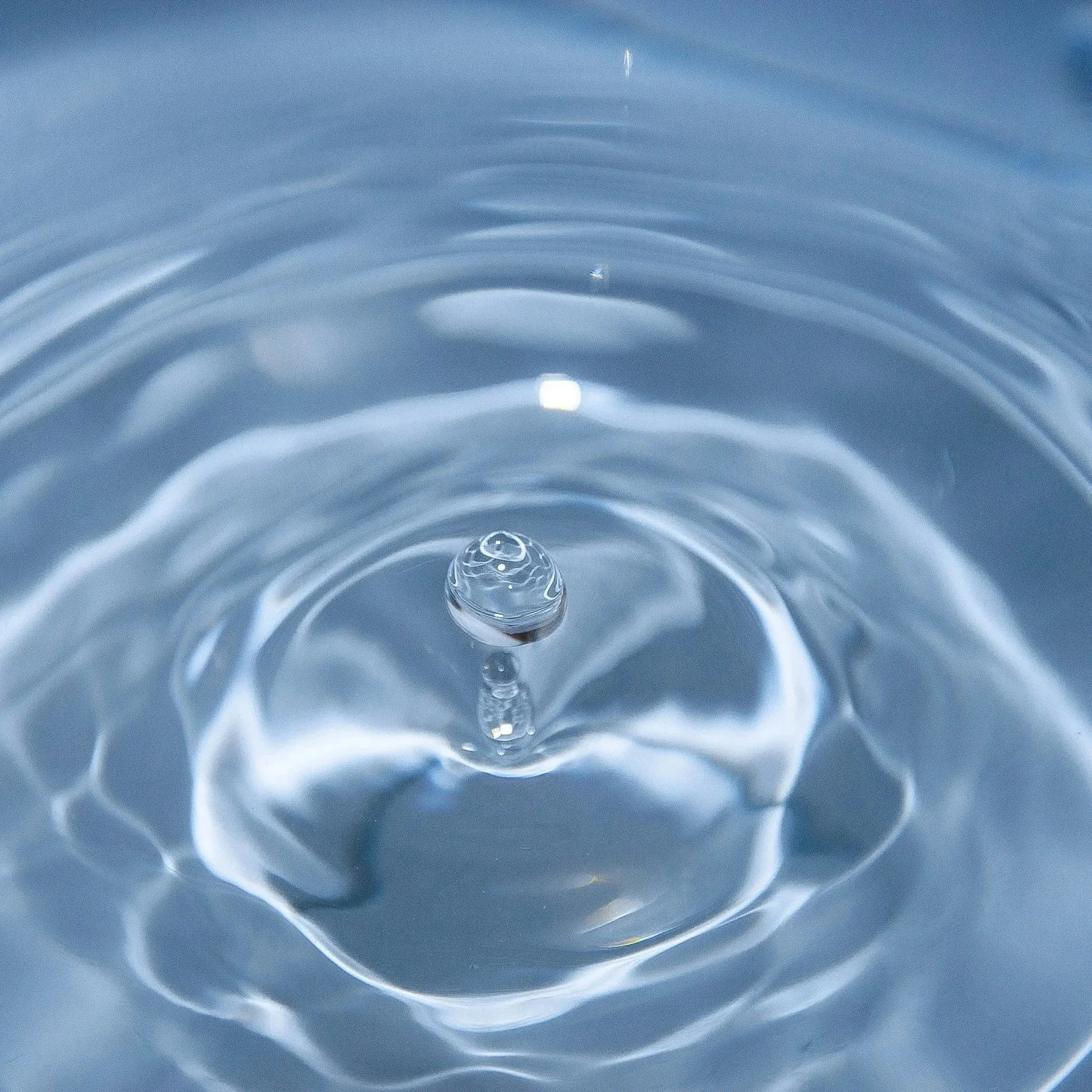
Regular testing identifies potential contaminants and helps households address water quality issues that affect taste, safety, and equipment efficiency.
Water testing is fundamental in maintaining a healthy and safe water supply, whether from a municipal or private well. Regular testing identifies potential contaminants and helps households address water quality issues that affect taste, safety, and equipment efficiency. Understanding the essentials of water testing clarifies how to protect and improve water quality for daily use.
Why Water Testing Matters
Water testing helps detect contaminants like bacteria, lead, nitrates, and other substances that pose health risks. Water quality can fluctuate due to natural and human factors, including seasonal changes, agricultural runoff, and aging infrastructure. Potential issues often go unnoticed without testing, impacting health and home maintenance. Water testing is crucial for those relying on private wells, as municipalities do not regulate these systems or require proactive care. Knowing what is in the water provides insight into any necessary treatment options.
Types of Contaminants Found in Water
Contaminants in water can be grouped into several categories: biological, chemical, and physical. Biological contaminants include bacteria, viruses, and parasites, which can cause gastrointestinal illnesses. Chemical contaminants encompass many substances, including pesticides, heavy metals, and industrial pollutants. Physical contaminants often involve sediments and suspended solids that may not pose health risks but affect water clarity and taste. Testing addresses each type of contaminant, revealing what treatments may be needed to verify high-quality water.
Testing Frequency for Reliable Results
Routine water testing provides consistent insight into water quality, especially for wells and untreated water sources. Testing at least once a year is advisable, although more frequent testing may be required if taste, color, or odor changes occur. Seasonal changes, nearby construction, or flooding can also impact water quality, making additional tests beneficial under these conditions. Testing frequency depends on the water source, regional risks, and household needs, with well water typically requiring closer monitoring than municipal sources.
Common Treatment Options Based on Testing
Treatment methods alter based on the type and concentration of contaminants present. Activated carbon filters effectively remove chlorine, pesticides, and certain organic compounds, improving taste and odor.
Maintaining a Record of Water Quality
Keeping a record of water testing results creates a valuable reference for tracking changes in water quality over time. Such records allow households to identify trends, such as seasonal fluctuations in contamination or recurring issues with specific contaminants. A history of test results also assists in future maintenance decisions, providing insight into when treatments were last applied and their effectiveness. Maintaining records supports a proactive approach to water care, helping households adjust treatments to maintain optimal water quality.
The Role of Professionals in Water Testing
Water testing professionals bring expertise that simplifies choosing, conducting, and interpreting tests. Local professionals are familiar with regional water quality issues and can recommend relevant tests for specific contaminants found in the area. In addition to providing lab-based tests with higher accuracy, professionals offer guidance on treatment options based on the results, guaranteeing that each household receives personalized support for their water needs. Partnering with a local expert also enhances compliance with water safety standards, which is particularly important for homes with children, elderly members, or those with sensitive health conditions.
Advantages of Routine Water Testing for Home Value
Routine water testing contributes to a home’s value by maintaining water quality, protecting plumbing, and certifying a reliable water supply. For homes with private wells, consistent testing demonstrates responsible water management, a positive factor for potential buyers. Documenting high water quality can also offer comfort, showing that the home’s water supply meets quality standards. In areas where well water is the primary source, homes with a history of water testing and effective treatment are often more appealing to buyers, providing an advantage in the housing market.
Water testing supports a safe, efficient, reliable water system that meets household needs. By understanding the essentials of water quality and identifying the right tests, households can make informed decisions about treatment options and long-term maintenance. Regular testing and a proactive approach help create a high water quality standard, contributing to a healthier home environment and greater confidence in the water supply.
Fussell Well Drilling offers comprehensive well plugging and abandonment, water treatment systems, and well service to Polk County residents. We have built an unparalleled reputation for providing reliable solutions and exceptional customer service. Our years of experience allows us to handle any situation promptly and efficiently. Call now to learn more.
