
Well Efficiency 101: How to Maximize Flow Rate and Minimize Costs
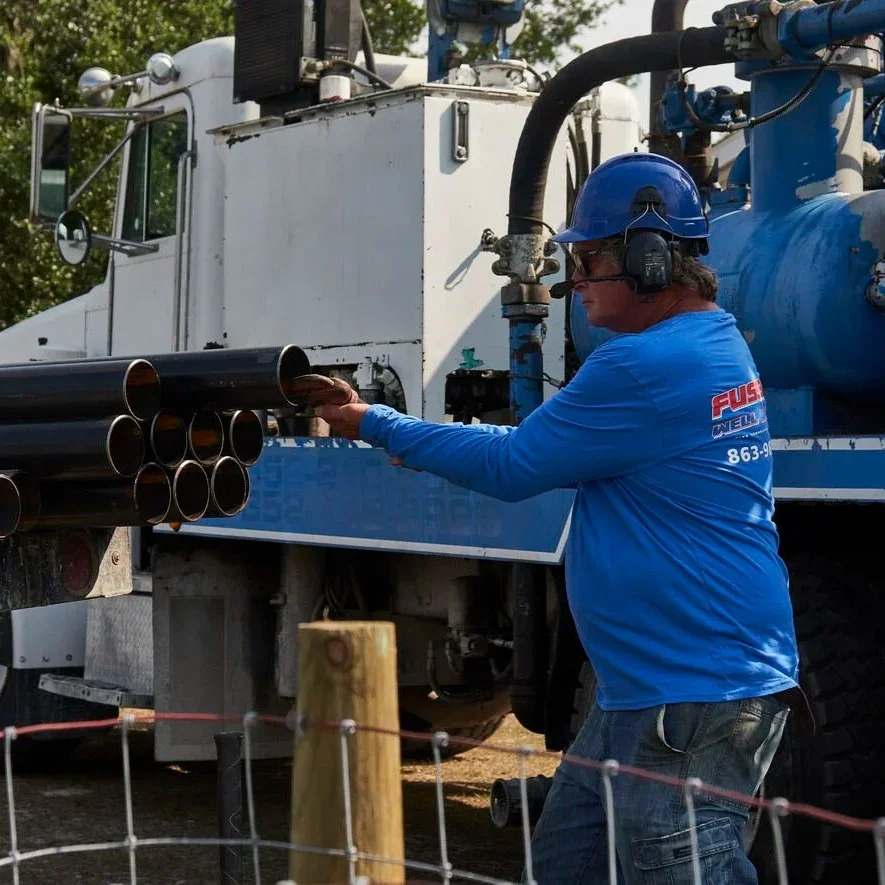
By understanding and applying strategies to boost flow rate and optimize system performance, a well can serve as a cost-effective and sustainable resource.
Maximizing well efficiency is essential for maintaining a steady water flow and low operational costs. A reliable water source is invaluable for well owners, particularly in areas with limited municipal water access. By understanding and applying strategies to boost flow rate and optimize system performance, a well can serve as a cost-effective and sustainable resource.
Regular Inspection to Identify Issues Early
Routine inspections are crucial in detecting early signs of wear or blockage in a well system. Over time, sediment, mineral deposits, and natural wear can impact the flow rate, reducing efficiency. Regular check-ups allow professionals to address minor concerns before they escalate into costly repairs or generate flow interruptions. A routine inspection schedule preserves well performance, enabling it to operate smoothly and provide consistent water output. A professional assessment every few years helps to maintain optimal function and identify potential improvements to the system.
Choosing the Right Pump for Optimal Performance
A well pump that matches the well's depth and water demand supports maximum efficiency. Pumps come in different types, and selecting the correct pump for a well's specific requirements prevents issues like over-pumping or strain on the motor, which can lead to reduced flow rates and higher maintenance costs. Consulting with a well expert verifies the right pump is installed, balancing water needs with system capabilities. A properly sized pump also minimizes energy consumption, lowering operational expenses.
Maintaining Pressure Tank Balance
The pressure tank is vital in regulating water pressure throughout a property. If the tank is not functioning correctly, fluctuations in pressure can cause stress on the pump, reducing efficiency and potentially damaging components. Routine pressure tank maintenance includes checking the pressure settings and inspecting for leaks or mechanical issues. Keeping the pressure tank balanced allows for steady water delivery, optimizing the well's performance while minimizing strain on the system. Adjusting the pressure tank periodically, especially in high-demand seasons, supports an even and reliable water flow.
Implementing a Water Conservation Strategy
Reducing water waste supports environmental sustainability and preserves a well's efficiency. High water demand can strain the system, causing frequent pump cycling and increasing energy costs. Implementing water conservation customs, such as using low-flow fixtures, fixing leaks promptly, and scheduling irrigation during cooler times, helps reduce unnecessary water usage. For agricultural or irrigation needs, drip systems are highly effective in maintaining plant health without overburdening the well. Conservation measures improve well longevity, lower energy consumption, and support consistent water availability.
Choosing Efficient Filtration Systems
Filtration systems enhance water quality by removing impurities, but certain filters can also restrict water flow if not properly maintained. Sediment and carbon filters, commonly used in well systems, can clog over time, reducing water pressure and flow rate. Regular filter replacement and cleaning prevent buildup and let water to pass through with minimal resistance. Consulting a professional for filter recommendations based on the specific water profile can also enhance efficiency, as different filters may be suited to particular contaminants or water conditions. Properly maintained filters contribute to smoother water flow and protect other components from excessive wear.
Upgrading to Energy-Efficient Equipment
Advancements in pump technology have generated more energy-efficient options that maximize well performance while reducing electricity costs. Variable speed pumps, for example, adjust their speed based on demand, reducing energy use during low-demand periods and delivering more power when needed. Upgrading to an energy-efficient pump supports cost savings over time and enhances flow consistency. An efficient system that matches well capacity and household requirements prevents overuse, lowers utility bills, and lowers the necessity for frequent repairs or replacements.
Protecting the Well from Contamination
Contaminants like bacteria, chemicals, or heavy metals can infiltrate a well, particularly after heavy rainfall, flooding, or nearby construction. Contamination affects water quality and can harm the well's structural integrity, leading to clogs or damage in pumps and pipes. Protecting the wellhead with a secure cap, maintaining proper grading around the well, and scheduling regular water testing are essential to keep the well clean and efficient. Preventing contamination preserves water quality and flow rate, lowering maintenance costs and long-term efficiency.
Working with Local Professionals for Long-Term Success
Partnering with local professionals for well maintenance offers access to expertise tailored to regional conditions. Local experts know the specific water quality, climate, and geological factors affecting well performance. They can give valuable insights into best practices, equipment selection, and maintenance schedules to optimize efficiency. A knowledgeable professional also assists with regular inspections, repairs, and upgrades, creating a maintenance plan that aligns with the well's unique needs. Collaborating with experts supports sustainable well operation, enhancing water availability, and reducing costs.
A well-optimized system provides reliable water flow, reduces operational costs, and promotes sustainable water use. Well owners can maximize flow rate while minimizing expenses through regular inspections, proper pump selection, sediment control, and conservation practices. By adopting these strategies and working with local professionals, a well can become an efficient, low-cost resource supporting a property's water needs for years.
Fussell Well Drilling is a family-owned top-quality well drilling and water treatment company for residential and commercial properties in Polk County. We specialize in new well drills, well rehabilitation, pump installation, removal, repair, and service, and tank and well components installation and repair. We aim to ensure that wells and water treatment systems perform efficiently. Call now to schedule an appointment.
